Millipedes

Millipedes are common soil-dwelling invertebrates frequently found around foundations, in basements, or moving along floorboards. In West Texas, these pests often move in large numbers during specific seasonal shifts. Understanding their reliance on moisture and their migratory habits is essential for managing their presence within residential and commercial structures.

Read More

Millipedes

Request Your Free, No Obligation Quote!

Millipede TX

Understanding Millipede Biology

Physical Characteristics

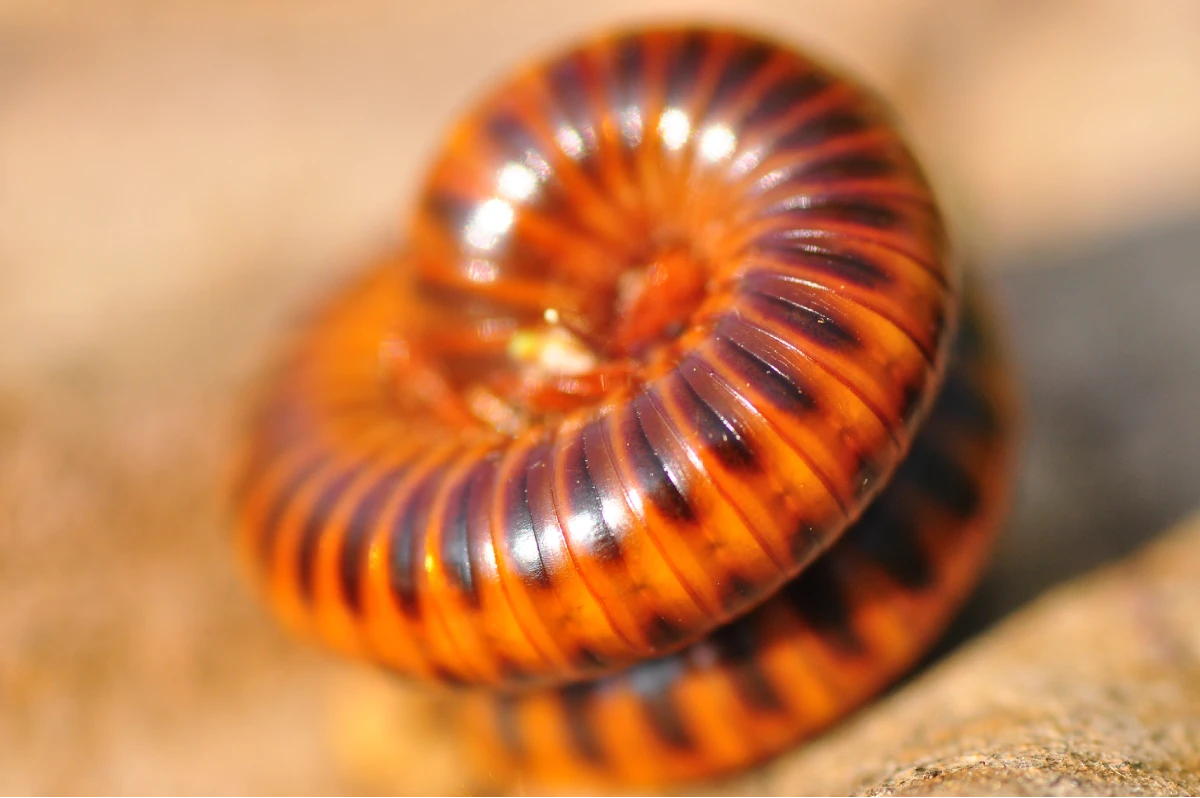
Millipedes are many-legged invertebrates characterized by their cylindrical, segmented bodies. While their name suggests they have a thousand legs, most common species have between 30 and 400. A key identifying feature is that millipedes have two pairs of legs per body segment, whereas centipedes have only one. They move with a slow, rhythmic wave-like motion and typically curl into a tight spiral when disturbed or threatened.

Millipedes are detritivores, meaning they feed on decaying organic matter such as damp wood, rotting leaves, and mulch. Because they break down organic material into nutrients for the soil, they are technically beneficial to the environment; however, they become a nuisance when they migrate into human living spaces in search of stable conditions.

Behavior and Habitat

Preferred Environments

Millipedes are highly susceptible to dehydration. To survive, they must remain in damp, dark environments with high humidity. Common outdoor harborages include:

  • Underneath thick layers of mulch or leaf litter.
  • Beneath landscape timbers, stones, or decorative rocks.
  • Inside compost piles or near decaying tree stumps.
  • Within the expansion joints of concrete Within crawl spaces and damp basements.

Seasonal Migrations

Unlike many pests that enter homes purely for food, a millipedes often invade in massive "migrations" triggered by environmental changes. In West Texas, this typically occurs:

  • After Heavy Rain: Saturated soil forces millipedes out of the ground to avoid drowning.
  • During Extreme Drought: As the soil dries out, they move toward the moisture found in home foundations and irrigation zones.

Why Millipedes Enter Structures

Millipedes TX

Moisture Tracking

Millipedes do not possess the ability to survive long in the dry, climate-controlled air of a home. When they are found indoors, it is usually because they followed a moisture trail through:

  • Gaps beneath exterior door sweeps.
  • Unsealed expansion joints in concrete.
  • Weep holes in brick siding.
  • Plumbing penetrations and floor drains

Potential Risks

Millipedes do not bite or sting, and they do not carry diseases. Their primary "threat" is the sheer volume of their population during a migration. However, some species can release a mild defensive fluid when crushed or handled. This fluid can cause minor skin irritation for sensitive individuals and may leave a temporary stain on porous surfaces like rugs or light-colored flooring.

Prevention and Habitat Modification

Long-term management of millipedes relies on changing the environment around the structure to make it less hospitable. Learn more about us!

Improve Drainage

Ensure that downspouts and splash blocks direct water at least five feet away from the foundation.

Manage Mulch

Keep mulch depth to two inches or less and maintain a "dry zone" of at least 6 to 12 inches between mulch beds and the house siding.

Organic Debris Removal

Regularly clear away fallen leaves, grass clippings, and wood piles that sit directly against the structure.

Exclusion

Seal cracks in the foundation and ensure window screens and door sweeps are tight-fitting.

Google-Five-Star-Rating

What Our Customers Say

Ready to Stop the Migration?

Millipedes may be harmless, but a mass migration into your living space is an unwelcome intrusion. Mint Pest Services‘ specialized exclusion and moisture-management strategies address the root cause of these invasions, creating a dry, secure barrier that keeps soil-dwelling pests where they belong, outside. Contact us now!

Protect your foundation and your floors from seasonal migrations with a professional defense plan.

Read More

Logo transparent

FAQ

Frequently Asked Questions

Why am I suddenly seeing so many millipedes in my home?

Millipedes often invade in large numbers when outdoor conditions change, especially after heavy rain or during dry spells. When their natural habitat becomes too wet or too dry, they migrate indoors in search of moisture and shelter.

Millipedes do not bite or sting, and they are generally harmless to humans and pets. However, they can release a mild defensive fluid that may cause skin irritation in sensitive individuals, and their presence in large numbers can be unpleasant.

Millipedes thrive in damp, dark environments such as under mulch, leaf piles, rocks, and in crawl spaces or basements. Indoors, they are often found near floorboards, drains, and other moisture-prone areas.

While reducing moisture and sealing entry points can help minimize activity, DIY methods rarely address the root cause of a large infestation. Professional pest control ensures proper treatment of both indoor and outdoor sources.

Prevention includes managing moisture around your home, improving drainage, removing organic debris, and sealing cracks and entry points. Regular pest control services and monitoring also provide long-term protection against future invasions.