Beetles

Beetles represent the largest order of insects, with thousands of species found across West Texas. While many play essential roles in the ecosystem, several varieties are classified as significant nuisance pests when they invade homes or businesses. Because different species target specific resources, ranging from stored food to natural fibers and structural wood, identifying the specific type of beetle is the first step in understanding the extent of an infestation.

Read More

Beetles

Request Your Free, No Obligation Quote!

Anatomy and Lifecycle

Identifying Characteristics

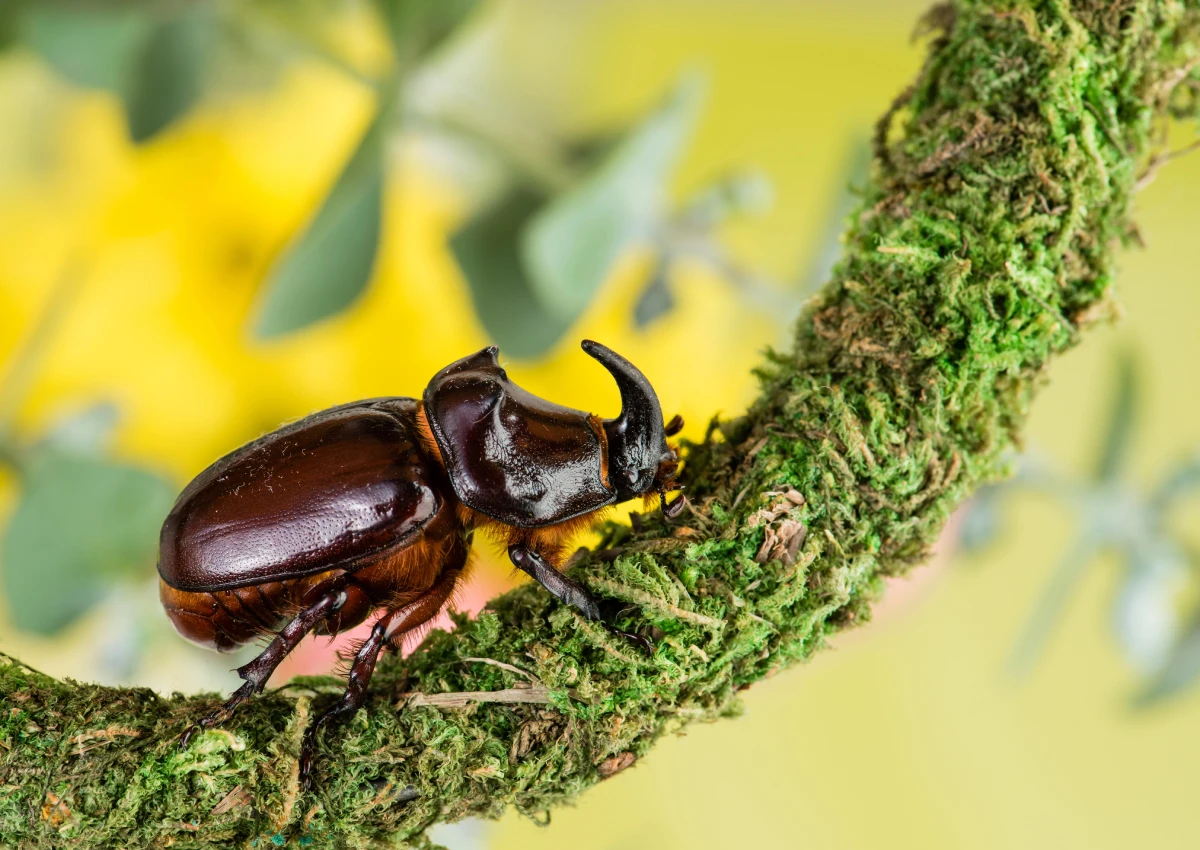
Despite their immense diversity, all beetles share a common anatomical feature: elytra. These are hardened, leathery forewings that meet in a straight line down the center of the back, protecting the delicate flight wings underneath. This protective “armor” allows beetles to survive in harsh environments, including the arid climate of West Texas.

Life Cycle and Development

Beetles undergo complete metamorphosis, passing through four distinct stages: egg, larva, pupa, and adult. In many cases, the larval stage is the most destructive. For example, while adult carpet beetles feed on pollen outdoors, their larvae are responsible for damaging rugs and upholstery indoors.

Common Types of Nuisance Beetles

Pantry Pests

These beetles are often introduced to a home through infested grocery items. They specialize in feeding on dried goods and include:

  • Larder Beetles: Known for targeting high-protein items like cured meats and dry pet food.
  • Confused Flour Beetles: Small, reddish-brown insects that infest grains, flour, and spices.

  • Saw-Toothed Grain Beetles: Named for the saw-like projections on their thorax, they are common in pantries and commercial food storage.

Certain species feed on keratin, a protein found in animal-based materials.

  • Carpet Beetles: Their larvae feed on wool, silk, leather, and even accumulated pet hair.

  • Hide Beetles: Frequently found in areas where animal remains or leather products are stored.

Often confused with termites, wood-boring beetles can cause structural damage over time.

  • Powderpost Beetles: Their larvae tunnel through seasoned wood, eventually leaving behind tiny “shot holes” and a fine, flour-like powder known as frass.
Beetles Texas

Behavior and Attraction Factors

Environmental Triggers

Beetles are often drawn to structures by specific environmental cues:

  • Phototaxis (Light Attraction): Many beetles are highly attracted to bright outdoor security lights or porch lights, which lead them toward entry points like door gaps or window screens.
  • Moisture: Species such as ground beetles seek out damp areas under mulch or near leaky outdoor faucets.
  • Scent: Pheromones and the scent of fermenting or decaying organic matter can draw beetles from considerable distances.

Entry Points

Because of their diverse sizes, beetles can enter structures through numerous vulnerabilities:

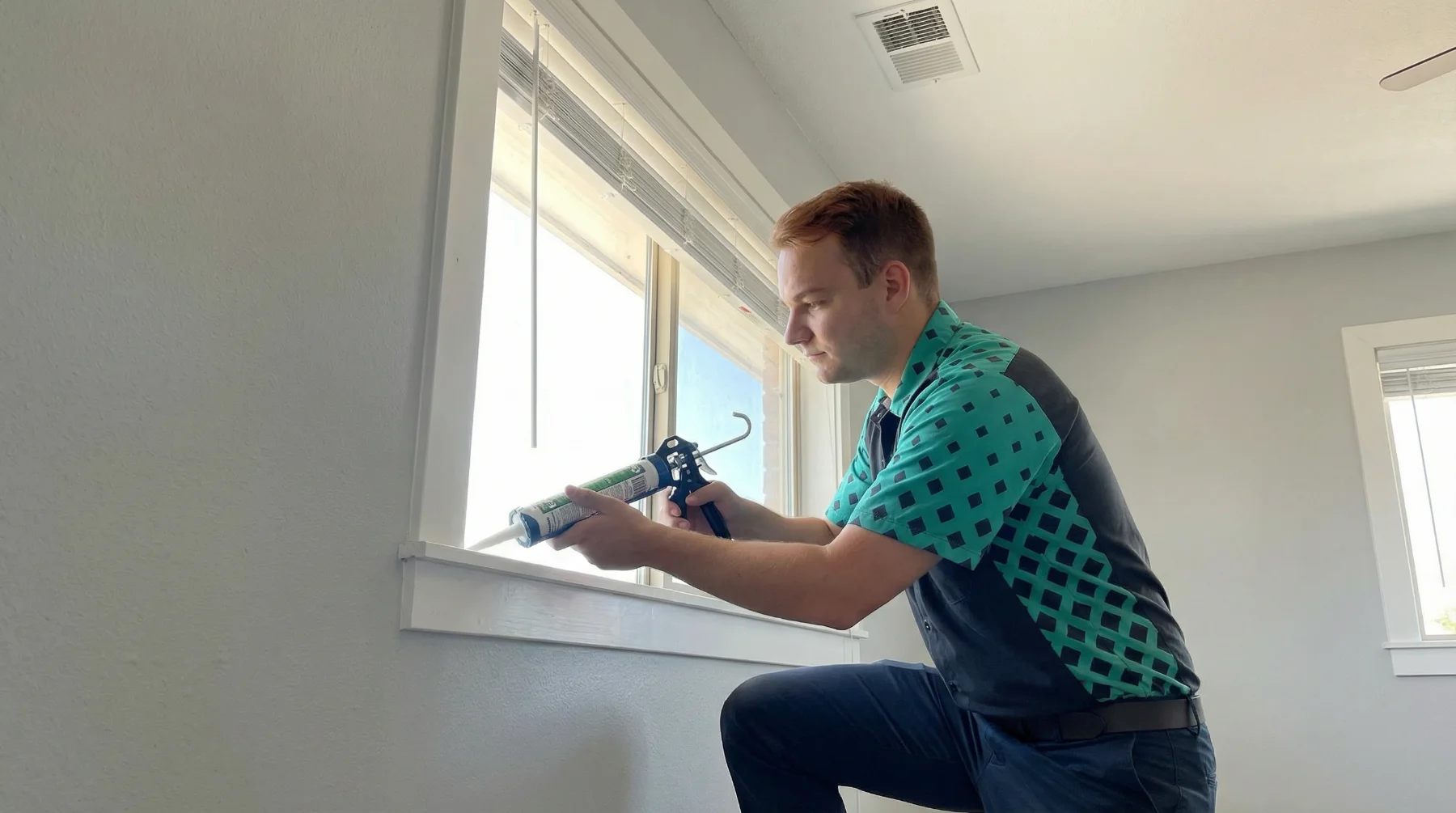
  • Damaged or loose window screens.
  • Gaps around utility penetrations (pipes and cables).
  • Unsealed weep holes in brick siding.
  • Hitching a ride on firewood, houseplants, or secondhand furniture.

Prevention and Habitat Modification

Beetles TX

Resilience and Speed

Centipedes are difficult for homeowners to manage because of their speed and ability to hide in inaccessible areas. Their presence can be distressing due to their "leggy" appearance and rapid, erratic movement when discovered.

Potential Risks

While the species found in West Texas are generally not a major medical threat to humans, a "bite" (sting) from a larger centipede can be painful, resulting in localized swelling and redness similar to a bee sting. They do not cause structural damage or contaminate food supplies, but they are a clear sign that an ecosystem of other pests is thriving on the property.

Prevention and Habitat Modification

Preventing beetle infestations requires a focus on sanitation and exclusion to limit their access to food and shelter. Learn more about us!

Proper Food Storage

Store all grains, flours, and dry pet foods in airtight glass or heavy plastic containers.

Light Management

Switch to yellow "bug bulbs" or motion-activated lighting to reduce the number of insects attracted to the exterior of the building.

Regular Cleaning

Vacuuming along baseboards and under furniture removes the lint and pet hair that carpet beetle larvae utilize as food.

Moisture Reduction

Ensure crawl spaces and attics are well-ventilated to prevent the damp conditions that wood-boring and ground beetles prefer.

Google-Five-Star-Rating

What Our Customers Say

Ready to Protect Your Property?

Beetles are diverse and resilient, but they don’t have to be a permanent fixture in your home. Whether they are targeting your pantry, your fabrics, or your home’s wooden structure, Mint Pest Services treatment protocols provide the precision needed to eliminate both active beetles and their destructive larvae.

Don’t let hidden pests damage your investment. Take proactive steps to secure your property today. Contact us now!

Read More

Logo transparent
FAQ

Frequently Asked Questions

What types of beetles are commonly found in homes?

Common household, carpet, pantry (like larder or flour), and wood-boring beetles. Each type targets different materials, from stored food to fabrics and wood structures.

Beetles can enter through small cracks, gaps around doors and windows, vents, or even hitch a ride in packaged goods, groceries, or secondhand items. Outdoor lighting can also attract certain species toward your home.

While most beetles are not dangerous to humans, they can cause significant damage to property. Some contaminate food sources, while others damage fabrics, carpets, and even wooden structures if left untreated.

DIY methods may help reduce visible beetles, but they often fail to address hidden larvae or breeding sites. Professional pest control ensures accurate identification and targeted treatment for complete elimination.

To prevent future infestations, store food in sealed containers, maintain cleanliness, reduce moisture, seal entry points, and limit outdoor lighting that attracts insects. Routine pest control services and monitoring provide long-term protection.