Spiders keep coming back after webs are removed because web sweeping only destroys their temporary hunting structures, not their primary harborages or underlying food sources.
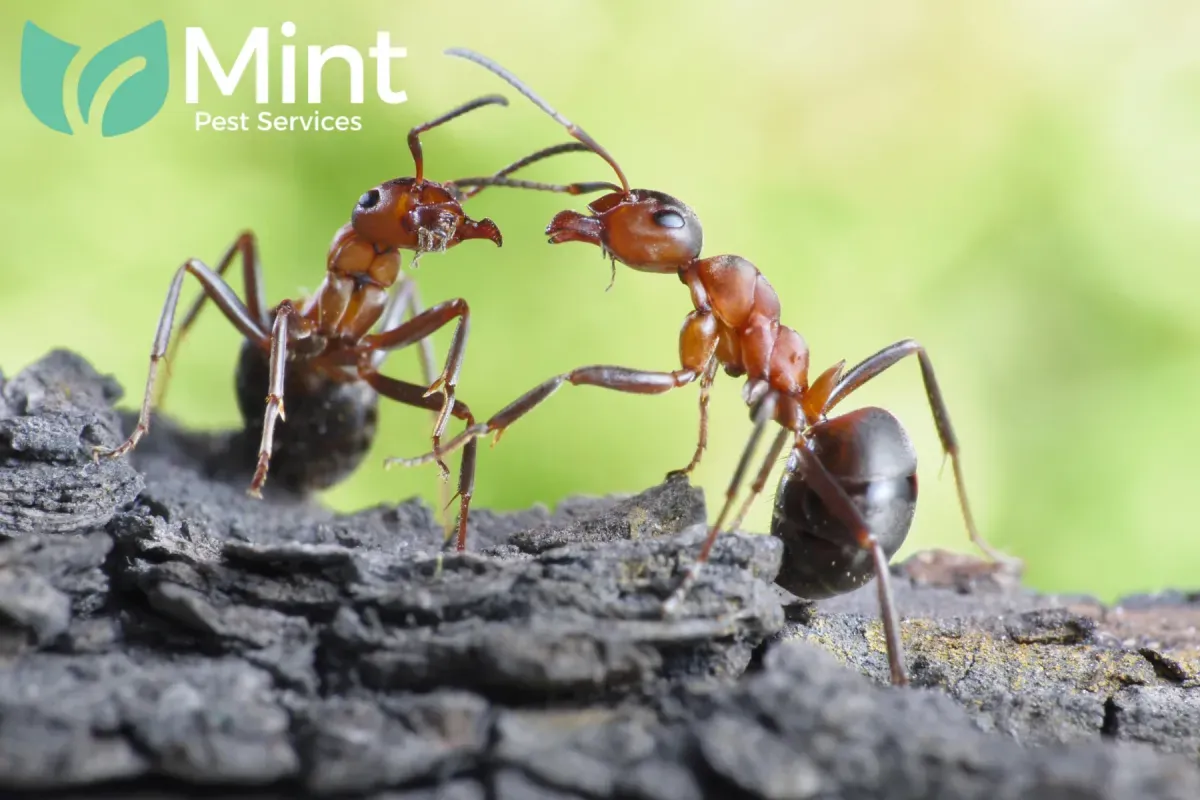
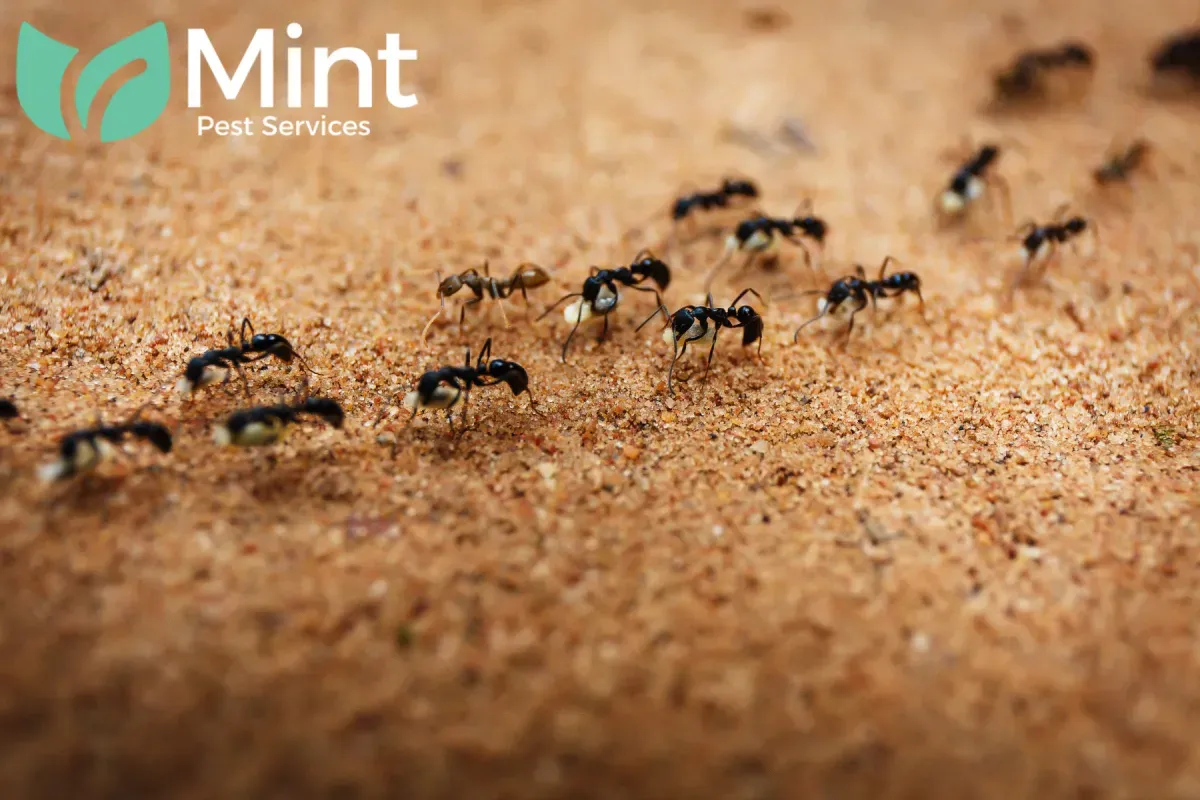
Professional ant treatments target both indoor trails and outdoor colonies by deploying advanced, non-repellent transfer chemistry rather than simple contact sprays. Instead of repelling foraging
Using over-the-counter chemical sprays often triggers a survival mechanism called “budding,” causing multi-queen ant colonies to split and scatter. Instead of eradicating the pest, repellent
Spider sightings peak after general pest treatments because the sudden elimination of their primary food source, insects like ants, flies, and roaches, forces them to
Seeing more pests after a professional treatment is usually a sign of success called the “flush-out effect.” This occurs because professional-grade irritants irritate the pests’
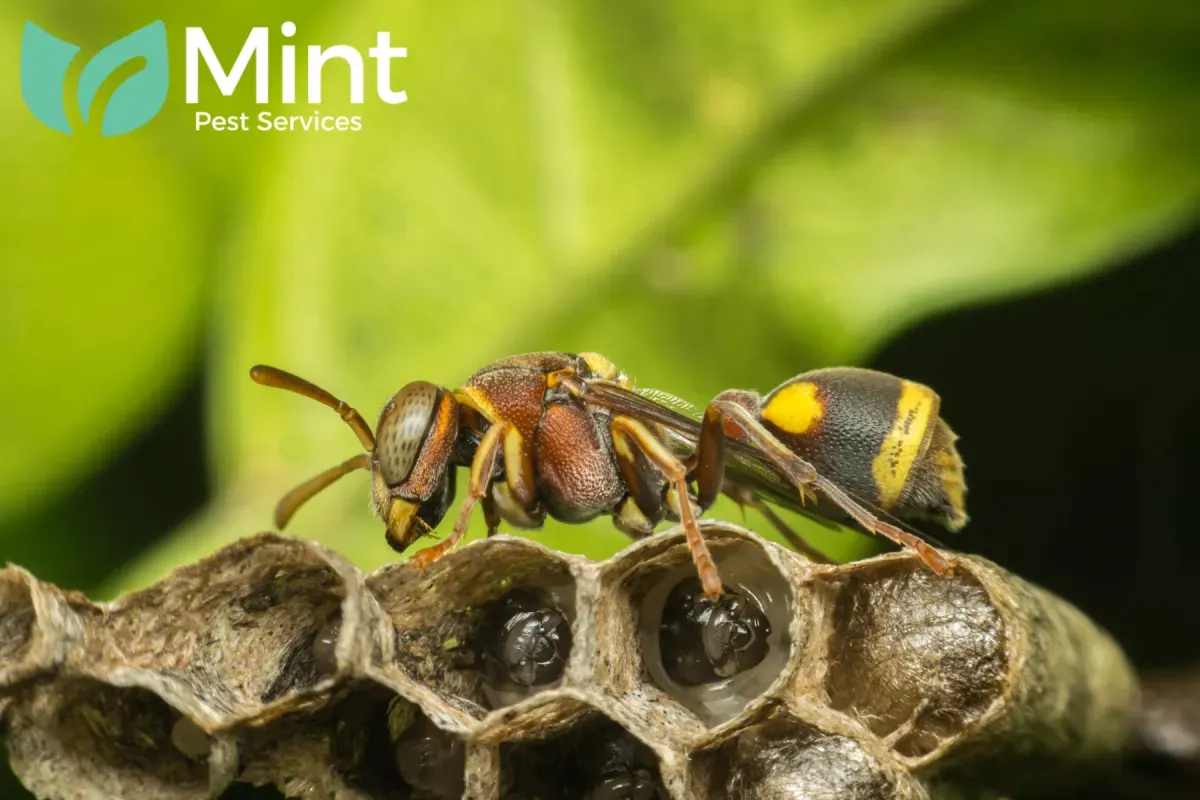
To identify the difference between a bald-faced hornet nest and a paper wasp nest, look at the outer covering and the entrance hole. Bald-faced hornets
Professional exterminators prioritize non-repellent baits because they exploit the natural communal behaviors of social insects like ants and termites, allowing for a “transfer effect” that
Synthetic pesticides provide a significantly longer residual kill, typically lasting 60 to 90 days before degrading. In contrast, green or botanical pesticides break down rapidly
Spiders appear in bathtubs and sinks because they are drawn to moisture or are searching for mates and accidentally tumble into the basin. Once inside,