Centipedes

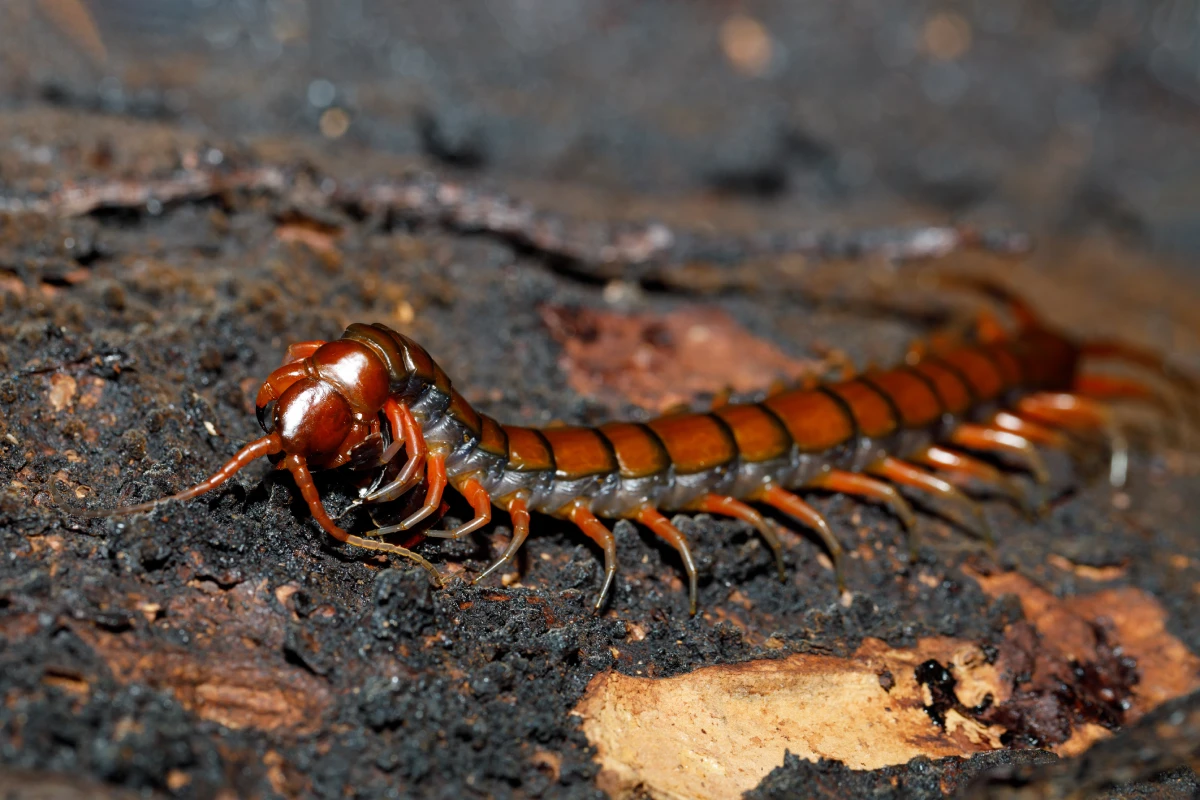
Centipedes are fast-moving, predatory arthropods frequently found in dark, damp areas of West Texas homes and businesses. While they are often confused with millipedes, their behavior and biology are distinct. These hunters are often a sign of a secondary pest issue, as they enter structures specifically to prey on other common insects.

Read More

Centipedes

Request Your Free, No Obligation Quote!

Understanding Centipede Biology

Physical Characteristics

The name “centipede” implies one hundred legs, but depending on the species, they can have anywhere from 15 to over 150 pairs. A defining characteristic is that they have one pair of legs per body segment, which are long and trailing, allowing for extreme speed. Their bodies are flattened, which enables them to squeeze into incredibly tight crevices.

The "Venom Fangs"

Centipedes are equipped with a pair of modified front legs known as forcipules. These function like fangs and are used to inject venom into their prey. While they use this primarily for hunting small insects, larger species can use them defensively if handled or stepped on.

Behavior and Hunting Habits

Predatory Nature

Unlike millipedes, which eat decaying leaves, centipedes are strictly carnivorous. They are active hunters that use their antennae to locate prey at night. Their presence inside a structure is often a biological indicator of a high population of other pests, such as:

  • Silverfish and firebrats.
  • Small spiders.
  • Cockroach nymphs.
  • Carpet beetle larvae.

Centipedes are highly light-sensitive and primarily nocturnal. During the day, they remain hidden in dark, humid harborages. If you see a centipede active during daylight hours, it usually means their hiding spot has been disturbed, or the population has grown large enough that they are competing for space.

Centipedes Texas

Common Harborages

Interior Hiding Spots

Centipedes require high humidity to prevent moisture loss. Inside a home, they gravitate toward:

  • Sump pumps and floor drains.
  • Crawl spaces and unfinished basements.
  • Underneath bathroom and kitchen sinks.
  • Inside cement block walls and wall voids.

Safe and Eco-Friendly Solutions

Outdoors, they prefer environments that stay cool and damp, such as:

  • Underneath large rocks or decorative landscaping stones.
  • Inside piles of firewood or construction debris.
  • Within the expansion joints of concrete patios.
  • Underneath bark on rotting logs.

Why Centipedes Are a Concern

Centipedes TX

Resilience and Speed

Centipedes are difficult for homeowners to manage because of their speed and ability to hide in inaccessible areas. Their presence can be distressing due to their "leggy" appearance and rapid, erratic movement when discovered.

Potential Risks

While the species found in West Texas are generally not a major medical threat to humans, a "bite" (sting) from a larger centipede can be painful, resulting in localized swelling and redness similar to a bee sting. They do not cause structural damage or contaminate food supplies, but they are a clear sign that an ecosystem of other pests is thriving on the property.

Prevention and Habitat Modification

Managing centipede populations involves a two-pronged approach: reducing moisture and eliminating their food source. Learn more about us!

Dehumidification

Use dehumidifiers in basements and ensure crawl spaces have proper vapor barriers to lower the humidity centipedes need to survive.

Seal Entry Points

Use caulk or expandable foam to seal gaps around plumbing penetrations and electrical wires entering the home.

Clear the Perimeter

Remove heavy vegetation and leaf litter from against the foundation to eliminate the damp environments where they hunt.

General Pest Management

Reducing the population of "prey insects" (like silverfish and roaches) will naturally force centipedes to move elsewhere in search of food.

Google-Five-Star-Rating

What Our Customers Say

Ready to Clear the Way?

Centipedes are elite hunters, but their presence is a major red flag for an underlying pest ecosystem. Mint Pest Services‘ specialized treatments don’t just target the centipedes you see; we eliminate the food sources, like silverfish and roaches, that drew them inside in the first place.

Stop the cycle of predatory pests and secure your home’s most secluded spaces today. Contact us now!

Read More

Logo transparent
FAQ

Frequently Asked Questions

Why am I seeing centipedes in my home?

Centipedes are typically drawn indoors by moisture and the presence of other pests they feed on. Seeing them inside often indicates excess humidity or an underlying insect problem that needs to be addressed.

Most centipedes are not dangerous, but larger species can bite if threatened. Their bites are usually mild, causing temporary pain or irritation, but they can be more concerning for children or pets with sensitivities.

Centipedes prefer dark, damp environments such as basements, bathrooms, crawl spaces, and under sinks. They also hide in cracks, wall voids, and other secluded areas during the day.

While reducing moisture and using store-bought sprays may help temporarily, DIY methods often fail to address hidden infestations. Professional pest control targets both centipedes and the conditions attracting them for more effective, long-term results.

Preventative steps include reducing indoor humidity, sealing entry points, fixing leaks, and minimizing other insect populations. Ongoing pest control services and monitoring are key to keeping centipedes from returning.