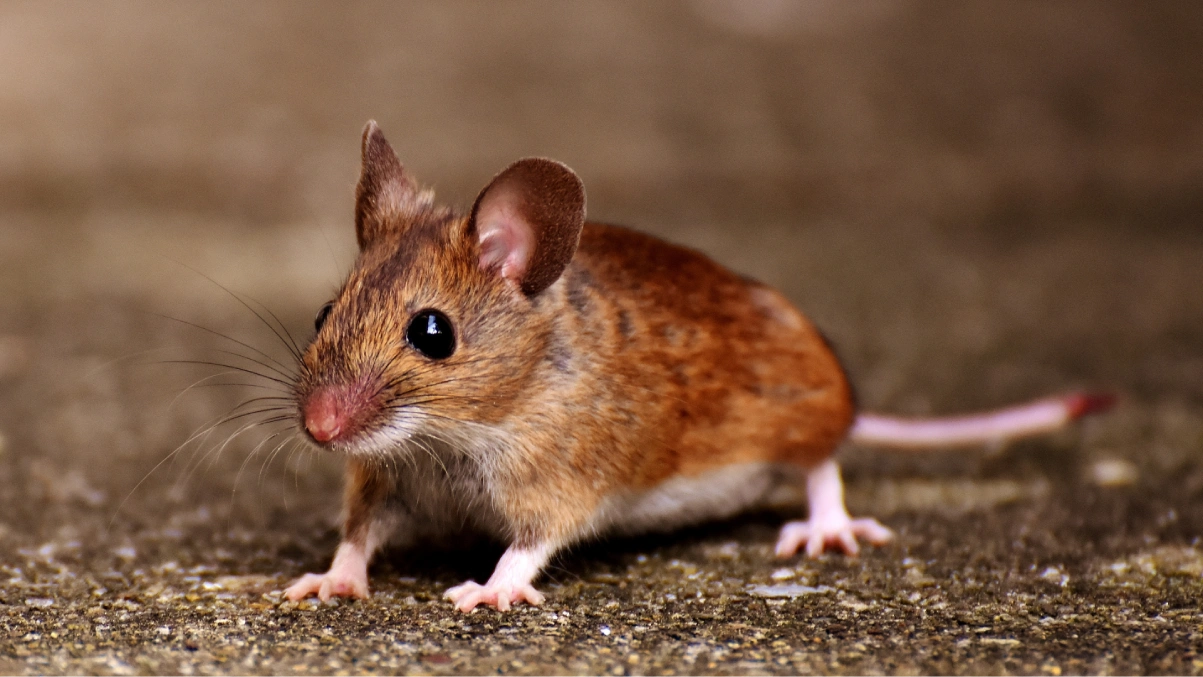
Rodents

Rodents are among the most widespread, highly adaptable, and evolutionarily successful mammals on earth. Characterized by their distinct physical traits and remarkable survival instincts, these animals can thrive in almost any environment, from dense wilderness to highly populated urban structures. While they play a vital role in natural ecosystems, their tendency to seek shelter, warmth, and food sources inside human dwellings makes them an exceptionally persistent threat to residential properties.

Read More

Rodents

Request Your Free, No Obligation Quote!

Biological Profiles: The Anatomy and Senses of Rodents

To successfully understand rodents, one must look at the highly specialized anatomical features that allow them to survive and navigate their surroundings. The defining characteristic of all species within the order Rodentia is a single pair of continuously growing, chisel-like incisors located in both the upper and lower jaws. These teeth lack protective enamel on the back, causing them to wear down unevenly as the animal chews, which creates a naturally sharp, lethal edge.

Because their teeth grow non-stop throughout their entire life cycle, rodents possess a deep biological drive to gnaw continuously on hard materials to prevent overgrowth. Beyond their teeth, rodents possess highly advanced sensory adaptations:

Vision

Their eyesight is relatively poor, making them mostly colorblind and highly sensitive to bright lights.

To compensate for poor vision, they rely on specialized tactile hairs called vibrissae (whiskers) located on their snout and body, which feel along walls and surfaces to navigate completely dark voids.

Their skeletal structure is incredibly flexible; if a rodent can fit its skull through a gap as small as a dime or a quarter, its entire body can compress to follow.

Rodents TX

Habits, Diet, and Living Environments

In the wild, rodents are primary consumers that typically live in complex underground burrow systems, dense brush, or rock crevices. However, as human structures expand, many species have become commensal, a term meaning “sharing the table.” This means they have adapted to live in close proximity to humans, relying directly on our buildings for harborage and our waste for sustenance. Learn more about us!

Rodents are primarily nocturnal omnivores, meaning they are most active between dusk and dawn, consuming a wide variety of plant material, seeds, grains, and high-protein foods. They are opportunistic scavengers with an incredible memory for pathways and food locations. When living inside a structure, they prefer secluded, low-traffic environments that mimic their natural underground burrows or high tree canopies. This drives them directly into structural voids, crawlspaces, drop ceilings, and attic insulation, where they gather shredded fabric, paper, and fiberglass to construct intricate nesting chambers.

Rodent TX

The Serious Risks of Unchecked Populations

Allowing a rodent population to live and multiply inside a building introduces severe structural hazards and destroys long-term peace of mind. Their biological compulsion to gnaw causes immense structural degradation. Rodents regularly chew through structural wood, PVC plumbing pipes (causing hidden water leaks), and structural insulation, which destroys a building's thermal efficiency. Most dangerously, they frequently chew through the protective plastic coating on electrical wiring inside walls, creating exposed live wires that pose a significant structural fire risk. Furthermore, their rapid reproductive capability means a minor, single pair of rodents can multiply exponentially into a massive, entrenched infestation within a matter of months if left unmanaged.

The Operational Mechanics of Effective Rodent Management

Safeguarding a property requires an ongoing, multi-tiered operational blueprint that addresses both the internal population and the external environment. A scientific mitigation strategy relies on several critical steps:

Thorough Structural Evaluation

Inspecting the entire perimeter, roofline, and crawlspace entry points to map out active runways, nesting zones, and physical entry gaps.

Population Reduction

Implementing advanced, targeted capture methods to safely eliminate the pests currently nesting inside living spaces or wall voids.

Exterior Defense Deployment

Strategically positioning secure exterior bait boxes to intercept foraging rodents before they can ever approach the foundation of the building.

Strategic Monitoring Loops

Returning to the property consistently within a 15 to 30-day window to evaluate consumption levels, inspect the physical integrity of the barriers, and carefully recalibrate bait placement to ensure zero gaps in protection.

Google-Five-Star-Rating

What Our Customers Say

Request Your Free, No-Obligation Treatment Quote Today!

Reviewing an educational pest library profile is just the preliminary step toward establishing long-term property protection. If you have detected signs of chewing, droppings, or scratching noises around your property, our team is ready to evaluate your layout and establish an unbreakable defense line. We specialize in identifying structural vulnerabilities, hidden entry gaps, and nesting habitats. Contact Mint Pest Services today to speak with an expert and discover how our green and safe pesticides and advanced exclusion methods can provide the ultimate treatment application for your home. Contact us now!

Read More

Ready for a Fresh Start?

Are you tired of unwelcome invaders making themselves at home in your space, disrupting your comfort, or even posing health risks? Do you dream of walking through your home or office without worrying about them hiding in corners, cabinets, or outdoor areas? At Mint Pest Services, we’re dedicated to helping you reclaim your space and enjoy a safe, clean, and a free environment. Our team provides thorough inspections, targeted treatments, and personalized plans that fit your schedule and property’s needs.

Whether it’s preventive care or addressing an active infestation, we focus on fast, effective, and eco-friendly solutions that truly make a difference. Don’t wait, get in touch with us today for a free estimate or to schedule your first treatment. Our friendly, experienced team is ready to answer your questions, guide you through the process, and help you feel confident that your home or business is fully protected.

Read More

Logo transparent
FAQ

Frequently Asked Questions

What types of rodents are most common?

The most common include mice, rats, and squirrels. Each species has unique behaviors, diets, and habitats, but they all share traits like continuously growing incisors and high adaptability to human environments.

They are primarily omnivores. They eat seeds, grains, fruits, vegetables, and sometimes insects or small animals. They are opportunistic feeders and will adapt their diet based on available resources.

They have poor eyesight but highly developed senses of smell, touch, and hearing. Their whiskers help them detect obstacles, and they use memory and scent trails to remember pathways to food and nesting sites.

In the wild, they live in burrows, dense vegetation, or rock crevices. In urban areas, they adapt to live near humans, seeking shelter in attics, crawlspaces, wall voids, and other secluded spaces that mimic their natural habitats.

Their lifespans vary by species. Mice generally live about 1–2 years, while rats can live 2–3 years. Factors such as the environment, predators, and food availability influence their survival.