Mosquitoes

Mosquitoes are among the most widespread, highly adaptable, and biology-driven flying insects on earth. Characterized by their complex survival instincts and specialized feeding habits, these insects can thrive in almost any environment containing moisture and warmth. While they occupy specific niches in natural food chains, their tendency to seek out hosts and establish massive populations near human dwellings makes them an exceptionally persistent nuisance.

Read More

Mosquito

Request Your Free, No Obligation Quote!

Biological Profiles: The Anatomy and Senses of Mosquitoes

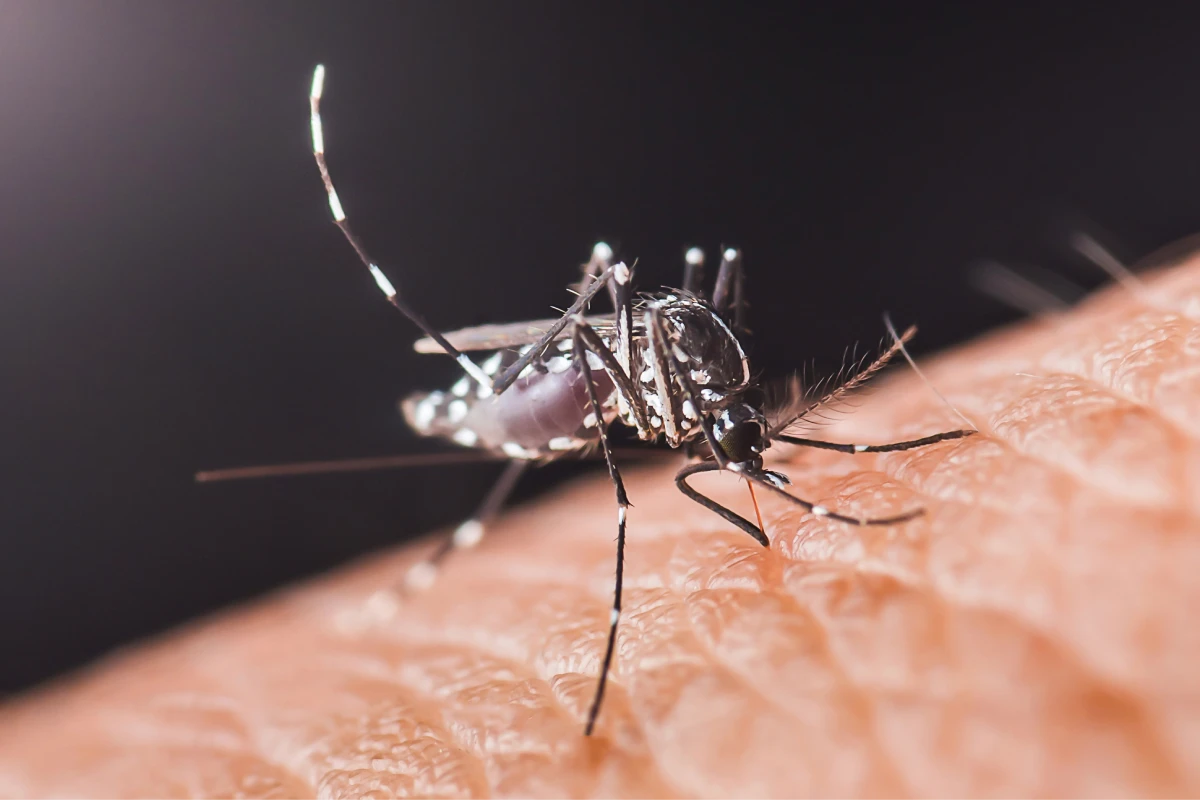
To successfully understand mosquitoes, one must look at the highly specialized anatomical and sensory features that allow them to survive and locate targets. Belonging to the order Diptera, or true flies, mosquitoes possess a single pair of wings and a slender, segmented body. The defining characteristic of the female mosquito is her elongated, needle-like mouthpart called a proboscis, which is specifically designed to pierce skin and access fluids.

To navigate their surroundings and locate hosts, mosquitoes rely on an incredibly advanced array of sensory biological mechanisms:

Carbon Dioxide Detection

Mosquitoes can detect the carbon dioxide naturally exhaled by mammals from over a hundred feet away, using this gas trail as their primary long-range targeting system.

As they draw closer, specialized receptors on their antennae pick up body heat, moisture, and specific organic compounds emitted through sweat.

It is a vital biological fact that only female mosquitoes bite. They do not use blood for their own sustenance, feeding instead on plant nectar like males, but require the specific proteins and iron found in blood meals to develop and mature their eggs.

Mosquitoes TX

Habits, Lifecycles, and Living Environments

Mosquitoes are heavily dependent on environmental warmth and stagnant moisture to survive. They are primarily active during the early morning and twilight hours, avoiding the intense midday sun by resting in cool, shaded, and low-traffic environments. When living near a property, they instinctively seek shelter in dense landscape foliage, tall grass, overgrown weeds, under decks, and along structural eaves or patio covers. Learn more about us!

The true engine behind an infestation is the insect’s rapid, water-dependent lifecycle, which consists of four distinct stages:

The Egg Stage

A single female can lay hundreds of eggs at a time, organizing them into floating "rafts" directly on the surface of standing water, or depositing them along damp soil lines prone to collecting moisture.

The Larval Stage

Once hatched, the aquatic larvae, commonly called "wigglers", live entirely beneath the water's surface, feeding on organic matter and breathing through specialized surface tubes.

The Pupal Stage

This is a non-feeding, transitional phase where the insect develops wings and its adult structural form. They remain highly active in the water, tumbling downward when disturbed.

The Adult Stage

After emerging from the pupal case, the fully formed adult rests on the surface of the water until its exoskeleton hardens, taking flight within hours to seek out nutrition and mates.

Mosquito TX

The Serious Risks of Unchecked Populations​

Allowing a mosquito population to live and multiply unchecked on a property introduces severe comfort hazards and destroys long-term peace of mind. Because a single puddle, clogged rain gutter, or neglected birdbath can produce thousands of new insects every week, an unmanaged population will rapidly expand, making yards completely unusable. Households find themselves trapped indoors, abandoning lawns, patios, and recreational spaces during prime outdoor hours. The constant physical distress of itchy, inflamed bites causes continuous irritation for family members, guests, and pets alike. Furthermore, their presence introduces an ongoing layer of stress, transforming what should be a peaceful property into a stressful, defensive envir

The Operational Mechanics of Effective Mosquito Management

Safeguarding a property requires an ongoing, multi-tiered operational blueprint that addresses both active adult insects and hidden aquatic breeding sites. A scientific mitigation strategy relies on several critical steps:

Thorough Property Evaluation

Inspecting the entire yard, landscape line, and drainage pathways to map out active resting zones, shade canopies, and hidden moisture collection areas.

Targeted System Calibration

Determining the precise placement and number of advanced, biological containment units required to blanket the unique layout of the lawn.

Strategic Deployment

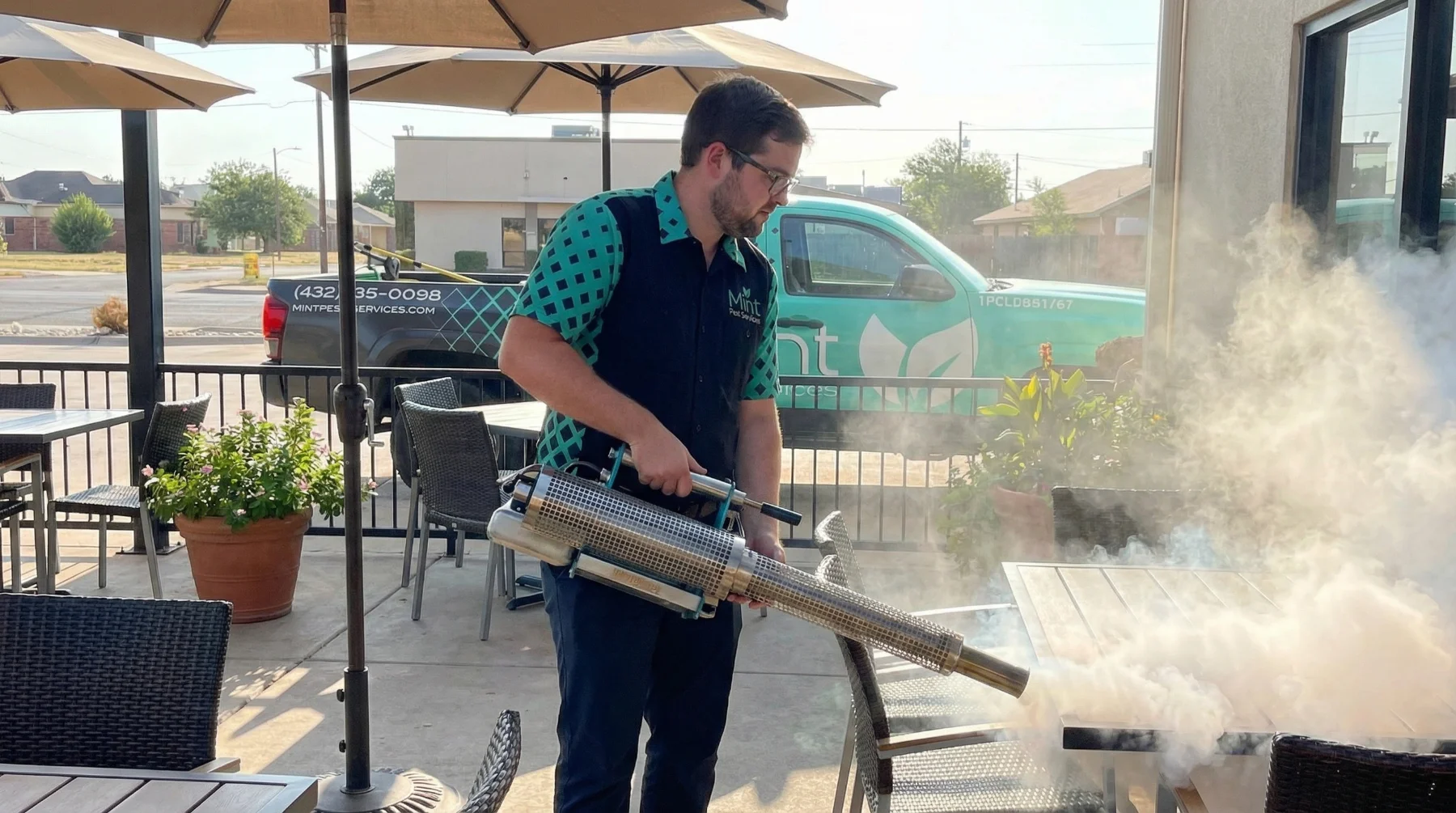
Positioning specialized, eco-friendly bait stations in discreet, shaded environments where adult insects naturally gather to seek shelter.

Strategic Monitoring Loops

Returning to the property consistently within a 21 to 30-day window throughout the active season to inspect system integrity, clear debris, and carefully replenish the biological attractant fluid to ensure zero gaps in protection.

Google-Five-Star-Rating

What Our Customers Say

Request Your Free, No-Obligation Treatment Quote Today!

Reviewing an educational pest library profile is just the preliminary step toward establishing long-term property protection. If you are noticing an increase in flying pests around your property, our team is ready to evaluate your layout and establish an unbreakable defense line. We specialize in identifying structural vulnerabilities, water retention issues, and hidden breeding habitats. Contact Mint Pest Services today to speak with an expert and discover how our green and safe pesticides can provide the ultimate treatment application for your home. Contact us now!

Read More

Ready for a Fresh Start?

Are you tired of unwelcome invaders making themselves at home in your space, disrupting your comfort, or even posing health risks? Do you dream of walking through your home or office without worrying about them hiding in corners, cabinets, or outdoor areas? At Mint Pest Services, we’re dedicated to helping you reclaim your space and enjoy a safe, clean, and a free environment. Our team provides thorough inspections, targeted treatments, and personalized plans that fit your schedule and property’s needs.

Whether it’s preventive care or addressing an active infestation, we focus on fast, effective, and eco-friendly solutions that truly make a difference. Don’t wait, get in touch with us today for a free estimate or to schedule your first treatment. Our friendly, experienced team is ready to answer your questions, guide you through the process, and help you feel confident that your home or business is fully protected.

Read More

Logo transparent
FAQ

Frequently Asked Questions

What attracts mosquitoes to my property?

They are drawn to warmth, stagnant water, and carbon dioxide produced by humans and animals. They often hide in shaded areas like tall grass, overgrown plants, under decks, or along eaves and patio covers. Eliminating standing water and keeping landscaping maintained can reduce their presence.

They are primarily active during early morning and twilight hours. They avoid the intense midday sun, often resting in cool, shaded, and low-traffic areas around your property.

Yes, they can carry diseases such as West Nile virus, Zika, and dengue fever. Controlling their populations around your home helps reduce the risk of bites and potential illness.

Before our team arrives, remove any standing water such as buckets, birdbaths, or clogged gutters. Clear areas around shrubbery and tall grass so treatments can reach hiding spots. Our technicians will handle the rest to maximize effectiveness.

Their lifespan varies by species and environment. Females typically live for 2–4 weeks, while males usually live for less than a week. Their life cycle includes egg, larva, pupa, and adult stages, with water playing a critical role in their development.