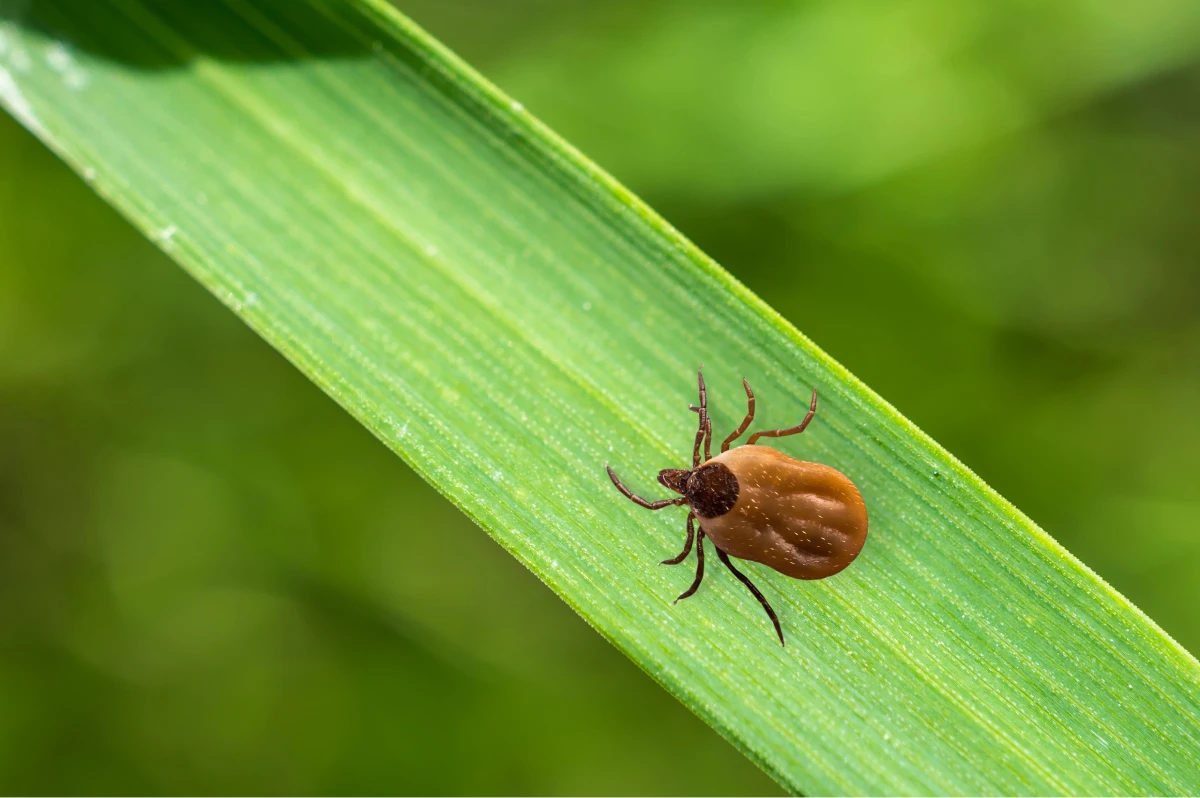
Ticks

Ticks are among the most persistent, blood-feeding, and structurally disruptive arachnids that can infiltrate an outdoor environment. Characterized by their parasitic nature and exceptional ability to remain undetected, these tiny, slow-moving pests can quickly dominate brush lines and lawns, turning a peaceful property into a stressful environment. Because wildlife activity and domestic pets often introduce these hitchhiking pests onto a property, understanding their unique biological traits is the first step toward reclaiming your outdoor living spaces.

Read More

Ticks

Request Your Free, No Obligation Quote!

Biological Profiles: The Anatomy and Senses of Ticks

To successfully manage tick populations, it is vital to understand the highly specialized anatomical features that allow them to survive and locate hosts. Unlike insects, ticks are arachnids, closely related to spiders and mites. They possess a single, oval-shaped body division and eight legs as adults, lacking both wings and antennae.

Instead of jumping or flying, ticks possess remarkable physical and behavioral adaptations designed for host acquisition:

The Questing Behavior

Ticks are master ambushers. They climb to the tips of long grasses, weeds, or low-hanging shrubs and hold their front legs outstretched in a behavior known as “questing.” When a warm-blooded host brushes past the vegetation, the tick instantly hooks onto the fur, clothing, or skin.

To compensate for their lack of complex vision, ticks utilize a highly specialized sensory structure located on their front legs called the Haller’s organ. This biological mechanism is incredibly sensitive to minute changes in carbon dioxide, body heat, moisture, and wind currents, allowing them to detect an approaching host from a distance.

Their mouthparts feature a central, barbed piercing structure called a hypostome. When they insert this structure into a host, they secrete a specialized cement-like substance that anchors them firmly in place, along with a mild numbing agent in their saliva that prevents the host from feeling the bite.

Ticks have an absolute biological requirement for blood meals to transition between life stages and reproduce. Females possess a massive drive to feed continuously, expanding to multiple times their original size as they mature their eggs.

Ticks Texas

Habits, Lifecycles, and Living Environments

In natural settings, ticks thrive in highly shaded, high-moisture environments that protect them from drying out. They are most commonly found in transitional zones, such as the borders where manicured lawns meet dense woods, tall ornamental grasses, overgrown weeds, leaf litter, and woodpiles. They instinctively avoid open, sunny areas of a lawn where the ground heat is too intense. Learn more about us!

The true engine behind an infestation is the arachnid’s prolonged, multi-host lifecycle, which consists of four distinct developmental stages:

The Egg Stage

After dropping off a host, a fully engorged female lays a single, massive cluster containing thousands of moisture-resistant eggs in hidden leaf litter or soil crevices before dying.

The Larval Stage

Tiny, six-legged larvae, often called "seed ticks," emerge from the eggs. They remain close to the ground, questing in large groups for small hosts like mice or ground birds to obtain their first blood meal.

The Nymph Stage

After shedding their skin, the ticks develop into eight-legged nymphs. About the size of a poppy seed, these nymphs seek out slightly larger hosts and are exceptionally difficult to detect due to their minuscule size.

The Adult Stage

Following a final molt, the fully formed adult tick emerges. Adults actively target larger mammals, including pets and humans, to secure the final blood meal required to initiate the reproductive cycle all over again.

Ticks FL

The Serious Risks of Unchecked Populations

Allowing a tick population to multiply freely on a property introduces severe physical distress and destroys long-term peace of mind. Because a single female can introduce thousands of eggs into a yard, an unmanaged property can quickly become overrun, making outdoor recreation an immediate source of anxiety. The continuous presence of these parasitic pests fundamentally alters how a household utilizes its lawn, forcing families to abandon patios, playsets, and gardens. The constant stress of checking children and pets for embedded ticks after every outdoor activity creates a highly defensive environment. Furthermore, heavy infestations can severely impact the health and comfort of domestic animals, causing continuous skin irritation, discomfort, and physical distress.

The Operational Mechanics of Effective Tick Management

Safeguarding a property requires an ongoing, multi-tiered operational blueprint that targets ticks exactly where they shelter. A scientific mitigation strategy relies on several critical steps:

Thorough Property Evaluation

Inspecting the entire landscape layout, measuring high-risk shaded zones, and identifying wildlife pathways along the perimeter to map out active harborage environments.

Targeted System Calibration

Determining the precise treatment application boundaries required to establish a continuous barrier between wild vegetation and your active living spaces.

Strategic Deployment

Utilizing specialized equipment to carefully apply treatment formulas deep into tall grasses, brush lines, and leaf litter where questing ticks naturally await hosts.

Strategic Monitoring Loops

Returning to the property consistently to evaluate environmental conditions, inspect barrier integrity, and refresh the green and safe pesticides to ensure zero gaps in protection as weather patterns shift throughout the year.

Google-Five-Star-Rating

What Our Customers Say

Request Your Free, No-Obligation Treatment Quote Today!

Reviewing an educational pest library profile is just the preliminary step toward establishing long-term property protection. If you have detected ticks on your pets, noticed signs of wildlife tracking through your yard, or want to secure your outdoor spaces, our team is ready to evaluate your layout and establish an unbreakable defense line. We specialize in identifying structural vulnerabilities, shaded harborage zones, and high-risk questing habitats. Contact Mint Pest Services today to speak with an expert and discover how our green and safe pesticides can provide the ultimate treatment application for your home. Contact us now!

Read More

Ready for a Fresh Start?

Are you tired of unwelcome invaders making themselves at home in your space, disrupting your comfort, or even posing health risks? Do you dream of walking through your home or office without worrying about them hiding in corners, cabinets, or outdoor areas? At Mint Pest Services, we’re dedicated to helping you reclaim your space and enjoy a safe, clean, and a free environment. Our team provides thorough inspections, targeted treatments, and personalized plans that fit your schedule and property’s needs.

Whether it’s preventive care or addressing an active infestation, we focus on fast, effective, and eco-friendly solutions that truly make a difference. Don’t wait, get in touch with us today for a free estimate or to schedule your first treatment. Our friendly, experienced team is ready to answer your questions, guide you through the process, and help you feel confident that your home or business is fully protected.

Read More

Logo transparent
FAQ

Frequently Asked Questions

What are ticks?

They are small, blood-feeding arachnids closely related to spiders and mites. They have a single, oval-shaped body and eight legs as adults. Unlike insects, they lack wings and antennae and rely on attachment to hosts for nourishment.

They use a behavior called “questing,” where they climb to the tips of grasses or shrubs and hold out their front legs. When a warm-blooded host brushes past, they latch onto the host to feed on blood.

They thrive in shaded, moist environments such as tall grass, leaf litter, overgrown weeds, woodpiles, and the edges of wooded areas. They avoid hot, sunny open areas that can dehydrate them.

They are obligate blood feeders. They feed on the blood of mammals, birds, and sometimes reptiles. Blood meals provide the nutrients necessary for growth, development, and reproduction.

They have a multi-stage lifecycle: egg, larva, nymph, and adult. Many species feed on different hosts at each stage. The lifecycle can span several months to years, depending on species, environmental conditions, and host availability.