Fleas

Fleas are among the most persistent, parasitic, and structurally disruptive insects that can infiltrate a property. Characterized by their exceptional agility and blood-feeding habits, these tiny, wingless pests can quickly dominate indoor and outdoor environments, turning a comfortable home into a stressful environment. Because wildlife activity and domestic pets often introduce these insects onto a property, understanding their unique biological traits is the first step toward reclaiming your living spaces.

Read More

Fleas

Request Your Free, No Obligation Quote!

Biological Profiles: The Anatomy and Senses of Mosquitoes

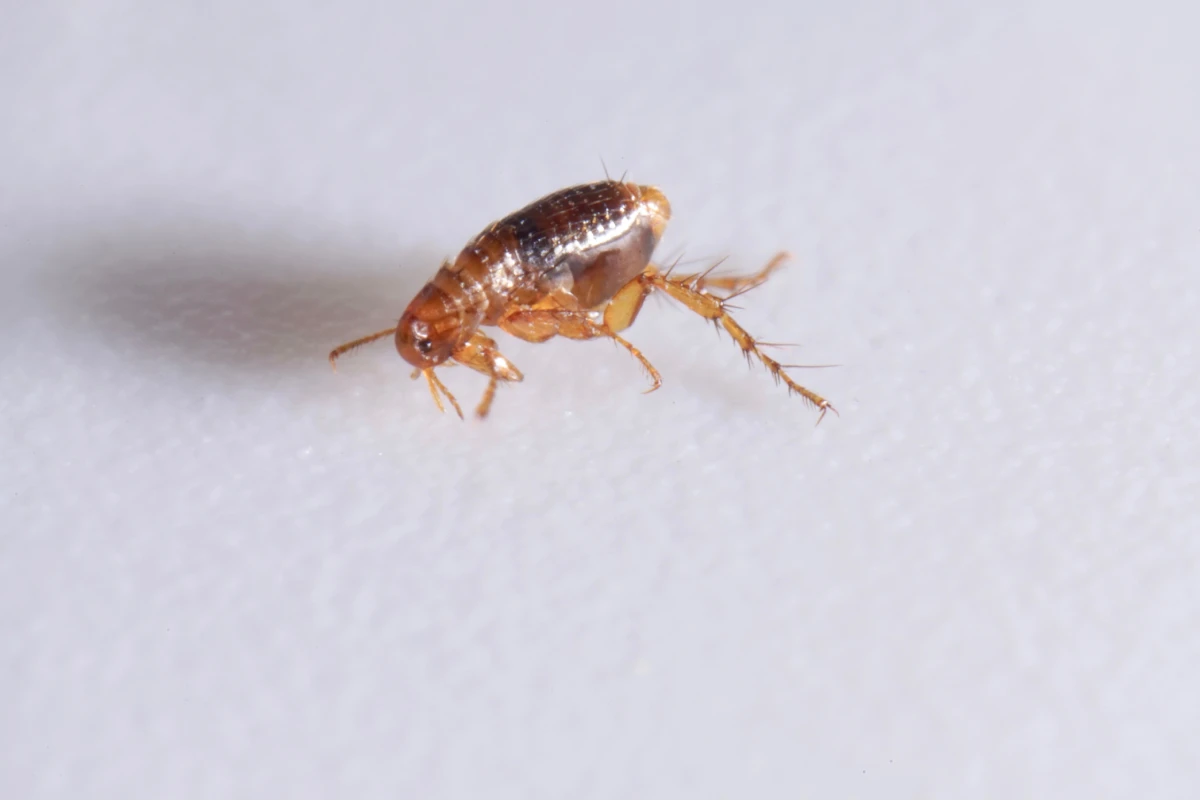
To successfully manage flea populations, it is vital to understand the highly specialized anatomical features that allow them to survive and locate hosts. Belonging to the order Siphonaptera, fleas are small, laterally flattened insects, meaning they are narrow from side to side. This unique body shape allows them to move effortlessly through dense animal fur, carpet fibers, and upholstery.

Instead of wings, fleas possess remarkable physical adaptations designed for survival and host acquisition:

Incredible Agility

Fleas are equipped with exceptionally long, powerful hind legs modified for leaping. A single insect can jump horizontally or vertically up to two hundred times its own body length, allowing it to easily hitch a ride onto a passing host.

Their hard, chitinous exoskeletons are covered in backward-projecting spines and bristles. These structures act like anchors, making it incredibly difficult to dislodge them from hair or fabric once they take hold.

Fleas utilize specialized sensory organs that are highly attuned to changes in temperature, physical vibrations, and the carbon dioxide exhaled by warm-blooded mammals, allowing them to track down targets with extreme precision.

Both male and female adult fleas rely exclusively on blood meals for nutrition. Females have a massive biological drive to feed continuously, as they require constant protein to successfully mature and deposit eggs.

Fleas TX

Habits, Lifecycles, and Living Environments

In natural outdoor settings, fleas thrive in shaded, undisturbed environments that retain moisture, such as tall grass, leaf litter, under porches, and in sandy soil where wild animals or pets rest. When they are introduced into a home, they instinctively migrate toward low-traffic, shaded areas that mimic these natural habitats, establishing populations within carpet base layers, rug fibers, pet bedding, floorboard cracks, and upholstered furniture. Learn more about us!

The true engine behind an infestation is the insect’s rapid, complex lifecycle, which consists of four distinct developmental stages:

The Egg Stage

After a blood meal, a single female can lay up to fifty smooth, non-sticky eggs per day. Because the eggs do not adhere to the host, they easily roll off the animal's fur and scatter across carpets, pet resting areas, and furniture.

The Larval Stage

Within days, legless, blind larvae emerge. They avoid light by crawling deep into carpet fibers or structural crevices, feeding strictly on organic debris and adult flea waste (commonly known as flea dirt).

The Pupal Stage

The larva spins a silken, sticky cocoon that quickly becomes camouflaged by surrounding dust and dirt. Inside this protective shell, the pupa transforms into an adult. This stage is incredibly resilient and can remain dormant for months until physical vibrations or heat signal that a host is nearby.

The Adult Stage

Triggered by the presence of a nearby host, the adult flea emerges from its cocoon and immediately seeks a blood meal to begin the reproductive cycle all over again.

Flea TX

The Serious Risks of Unchecked Populations

Allowing a flea population to multiply freely on a property introduces severe physical distress and destroys long-term peace of mind. Because their reproductive cycle is so rapid, a minor, unnoticed introduction can escalate into a widespread structural infestation in a matter of weeks. The continuous biting behavior of adult fleas causes intense physical discomfort, resulting in painful, itchy welts and severe skin irritation for family members and pets alike. Heavy infestations can lead to flea allergy dermatitis in household animals, causing them to scratch excessively and develop open sores. Furthermore, their presence introduces a constant layer of environmental stress, turning comfortable living spaces into a defensive environment where stepping onto the carpet becomes a source of anxiety.

The Operational Mechanics of Effective Flea Management

Safeguarding a property requires an ongoing, multi-tiered operational blueprint that targets all four lifecycle stages simultaneously. A scientific mitigation strategy relies on several critical steps:

Thorough Property Evaluation

Inspecting the entire interior floor layout, pet bedding zones, and exterior shaded areas to map out active feeding and breeding environments.

Targeted System Calibration

Determining the precise treatment application and barrier zones required to disrupt the larval and adult populations based on the unique layout of the structure.

Strategic Deployment

Applying targeted formulas containing specialized insect growth regulators deep into carpets, baseboards, and outdoor harborage areas where larvae hide.

Strategic Monitoring Loops

Evaluating the property consistently to monitor emergence patterns from resilient pupal cocoons, ensuring a continuous protective barrier and zero gaps in protection until the lifecycle is entirely broken.

Google-Five-Star-Rating

What Our Customers Say

Request Your Free, No-Obligation Treatment Quote Today!

Reviewing an educational pest library profile is just the preliminary step toward establishing long-term property protection. If you have detected signs of biting insects, excessive pet scratching, or visible pests around your home, our team is ready to evaluate your layout and establish an unbreakable defense line. We specialize in identifying structural vulnerabilities, hidden larval habitats, and high-risk breeding zones. Contact Mint Pest Services today to speak with an expert and discover how our green and safe pesticides can provide the ultimate treatment application for your home. Contact us now!

Read More

Ready for a Fresh Start?

Are you tired of unwelcome invaders making themselves at home in your space, disrupting your comfort, or even posing health risks? Do you dream of walking through your home or office without worrying about them hiding in corners, cabinets, or outdoor areas? At Mint Pest Services, we’re dedicated to helping you reclaim your space and enjoy a safe, clean, and a free environment. Our team provides thorough inspections, targeted treatments, and personalized plans that fit your schedule and property’s needs.

Whether it’s preventive care or addressing an active infestation, we focus on fast, effective, and eco-friendly solutions that truly make a difference. Don’t wait, get in touch with us today for a free estimate or to schedule your first treatment. Our friendly, experienced team is ready to answer your questions, guide you through the process, and help you feel confident that your home or business is fully protected.

Read More

Logo transparent
FAQ

Frequently Asked Questions

What are fleas?

They are tiny, wingless insects that feed on the blood of mammals and birds. They are laterally flattened, which allows them to move easily through fur, feathers, and fabric. Their small size and agility make them highly persistent pests.

They have powerful hind legs that allow them to jump long distances relative to their size. They use specialized mouthparts to pierce their hosts’ skin and feed on blood, which is essential for their reproduction and survival.

In nature, they thrive in shaded, undisturbed areas such as tall grass, leaf litter, sandy soil, and areas where wildlife or pets rest. Indoors, they migrate to low-traffic, shaded areas like carpets, pet bedding, and upholstered furniture.

They have a four-stage lifecycle: egg, larva, pupa, and adult. This rapid development allows them to multiply quickly under favorable conditions, with adults emerging from pupae to seek out hosts for blood meals.

Fleas can cause persistent itching, skin irritation, and allergic reactions in both people and pets. Heavy infestations may also lead to discomfort, stress, and, in severe cases, health complications for animals due to repeated blood feeding.