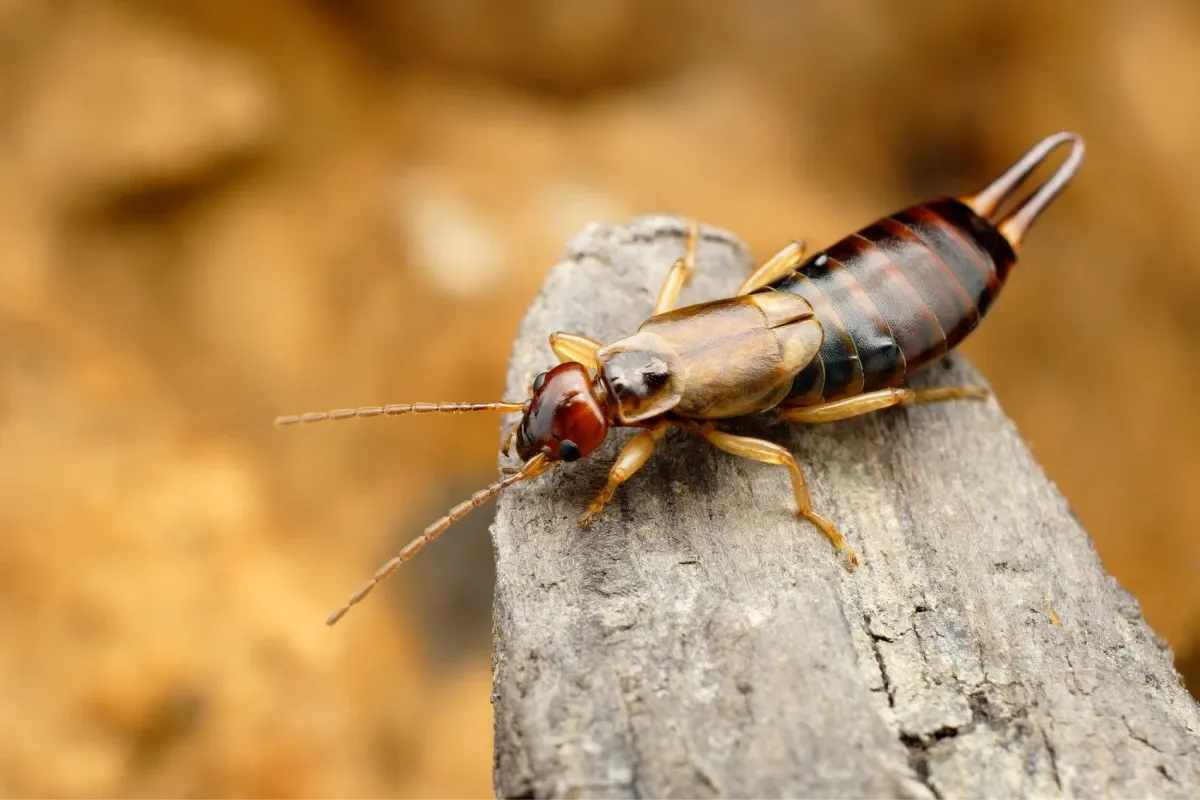
Earwigs

Earwigs are among the most misunderstood, visually distinct, and structurally driven crawling insects found around residential properties. Characterized by their intimidating rear forceps and nocturnal survival instincts, these insects can thrive in almost any environment containing high moisture, decaying organic matter, and tight shelter. While they play a specific role in natural ecosystems by consuming decomposing debris and smaller pests, their tendency to seek out tight crevices and establish dense populations near human structures makes them a remarkably unsettling and persistent nuisance.

Read More

Earwigs

Request Your Free, No Obligation Quote!

Biological Profiles: The Anatomy and Senses of Earwigs

To successfully understand them, one must look at the highly specialized anatomical and sensory features that allow them to survive and navigate their environments. Belonging to the order Dermaptera, meaning “skin wings,” they possess a flattened, elongated body typically ranging from dark brown to reddish-black.

To navigate their surroundings and protect their colonies, they rely on an array of distinct physical and sensory biological mechanisms:

The Cerci (Pincers)

The defining characteristic of the earwig is the pair of forceps-like appendages, called cerci, protruding from the abdomen. Used primarily for defense, capturing prey, and mating rituals, these pincers vary by sex; males possess curved, robust pincers, while females feature straight, parallel ones.

They are highly thigmotactic, meaning they possess an instinctual biological drive to feel physical contact on all sides of their bodies. Specialized receptors on their antennae and bodies guide them into ultra-tight, dark cracks where they can maximize body contact and conserve vital moisture.

While many earwig species possess uniquely folded, leathery hindwings beneath short forewings, they are notoriously clumsy fliers. They heavily rely on their specialized, agile legs to crawl along foundation lines, retaining their energy for burrowing and foraging rather than flight.

Mint Pest Services Truck

Habits, Lifecycles, and Living Environments

Earwigs are profoundly dependent on environmental humidity and darkness to survive. They are strictly nocturnal insects, avoiding the drying effects of the daytime sun by resting in cool, damp, and undisturbed environments. When living near a property, they instinctively seek shelter in dense mulch layers, decaying leaf piles, log stacks, beneath landscape stones, and along the damp perimeters of concrete foundations or patio slabs. Learn more about us!

The engine behind a recurring infestation is the insect’s unique, moisture-dependent lifecycle, which consists of three distinct stages of gradual metamorphosis:

The Egg Stage

Unlike many insects, female earwigs display rare maternal instincts. They dig underground chambers in damp soil, laying dozens of smooth, oval eggs. The mother meticulously cleans and guards the eggs to prevent deadly mold growth.

The Nymph Stage

Once hatched, the white-to-tan nymphs resemble miniature adults but lack fully developed reproductive organs or wings. They undergo a series of four to six molts, shedding their exoskeletons as they grow, while the mother continues to protect them until their first molt.

The Adult Stage

After completing their final molt, the fully matured adult earwigs emerge with hardened exoskeletons. They immediately assume their nocturnal roles, foraging for decaying vegetation, soft-bodied insects, and tender plant shoots.

Earwigs TX

The Serious Risks of Unchecked Populations

Allowing an earwig population to live and multiply unchecked on a property introduces severe comfort hazards and compromises long-term peace of mind. Because a single damp garden bed or over-mulched landscape line can harbor thousands of these insects, an unmanaged population will rapidly spill over from the yard into the home. Homeowners frequently find them infesting crawlspaces, basements, bathrooms, and laundry rooms, hiding inside rolled towels, under rugs, and within stored items. Their sudden, alarming appearance and ancient, false folklore that they crawl into human ears to lay eggs create immense psychological distress for family members. Furthermore, when cornered, they can emit a foul-smelling, yellow defense fluid and emit a mild pinch, transforming a relaxing household into an uncomfortable, stressful environment.

The Operational Mechanics of Effective Earwig Management

Safeguarding a property requires an ongoing, multi-tiered operational blueprint that addresses active adults, hidden nesting chambers, and the environmental conditions that attract them. A scientific mitigation strategy relies on several critical steps:

Thorough Property Evaluation

Inspecting the entire exterior, foundation, crawlspace entry points, mulch zones, and drainage pathways to map out active moisture traps and structural entry gaps.

Targeted Barrier Calibration

Determining the precise chemical and biological barriers required to create a continuous, protective ring around the unique perimeter of the home.

Strategic Micro-Dusting and Baiting

Applying specialized, eco-friendly baits and micro-dust formulations into deep crevices, weep holes, and voids where earwigs instinctively congregate.

Strategic Monitoring Loops

Returning to the property consistently within active seasonal windows to inspect barrier integrity, clear debris, and replenish protective materials to ensure zero gaps in defense.

Google-Five-Star-Rating

What Our Customers Say

Request Your Free, No-Obligation Treatment Quote Today!

Reviewing an educational insect library profile is just the preliminary step toward establishing long-term property protection. If you are noticing an increase in these pincered nuisances around your property, our team is ready to evaluate your layout and establish an unbreakable defense line. Mint Pest Services specializes in identifying moisture retention issues, foundational vulnerabilities, and hidden breeding habitats. Contact us today to speak with an expert and discover how our green and safe pesticides can provide the ultimate treatment application for your home.

Read More

Logo transparent
FAQ

Frequently Asked Questions

What attracts earwigs to my property?

They are primarily drawn to high humidity, moisture, and decaying organic matter. Piles of leaves, thick mulch, rotting wood, and unsealed foundation cracks provide the perfect dark, damp harborages they crave.

No. This is an old myth. While they love dark, tight spaces, earwigs have no biological interest in humans or human ears. They would much rather hide under a damp rock or log.

Inside the home, they are considered harmless nuisance pests that cause no structural damage. Outdoors, however, large populations can chew holes in tender garden plants, seedlings, and soft fruits, damaging your landscaping.

Reduce moisture around your foundation by fixing leaks and redirecting rain gutters. Keep mulch and decaying leaves at least a foot away from your home’s exterior wall, and seal any cracks in the foundation or gaps around basement windows.

On average, an earwig can live for about one year from egg to adult. Females typically live slightly longer than males to care for their eggs and young nymphs through the winter and early spring.