Termites (Formosan & Agricultural Termites)

Termites are among the most destructive, highly organized, and socially complex insects found near human structures and landscapes. Often categorized together but exhibiting entirely different behaviors, Formosan subterranean and agricultural (or grass) variants represent two distinct ecological threats. While the Formosan species is known for its aggressive consumption of structural wood, agricultural populations focus their feeding on live vegetation, turf, and crops. Managing these insects requires a profound understanding of their colony dynamics, feeding habits, and specialized environmental requirements.

Read More

Termites

Request Your Free, No Obligation Quote!

Biological Profiles: The Anatomy and Senses of Termites

To successfully manage a termite infestation, one must examine the highly specialized anatomical structures and sensory features that drive their behavior. Belonging to the insect infraorder Isoptera, they are social creatures divided into highly distinct castes: workers, soldiers, and reproductives (alates).

While their internal hierarchy is tightly synchronized, their physical and sensory adaptations vary wildly depending on the species:

Heavy-Duty Mandibles & Head Structure

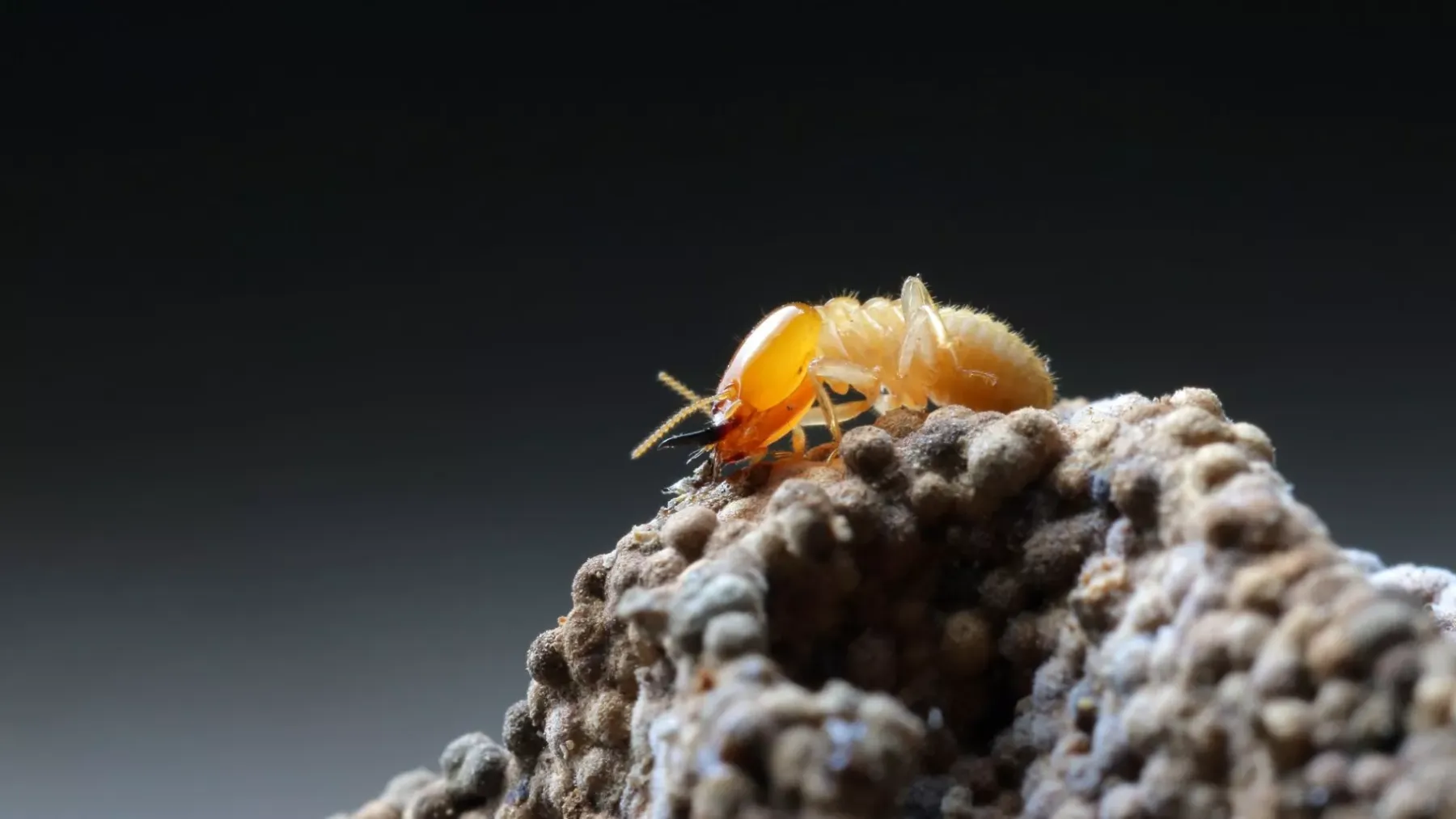
The soldier caste of the Formosan termite features a distinct, rounded head that secretes a white, defensive fluid when threatened. Their large, curved mandibles are built purely for defending the colony against predators. In contrast, agricultural termites possess physical adaptations suited for harvesting grasses rather than slicing through hard lumber.

They rely heavily on moisture and chemical receptors located on their antennae. Because their soft bodies dry out rapidly, these receptors allow them to detect subtle fluctuations in soil humidity and find underground water sources, guiding them to optimal nesting sites and food paths.

Worker termites possess specialized enzymes and internal symbiotic microbes that allow them to break down cellulose, the primary structural component of plants. Formosan foragers aggressively target wood, cardboard, and structural paper, while agricultural groups use their senses to pinpoint grasses, weeds, and decaying roots.

Mint Pest Services Truck

Habits, Lifecycles, and Living Environments

Both Formosan and agricultural termites are heavily dependent on environmental moisture to survive, but they establish their colonies in vastly different zones. Formosan colonies build extensive subterranean networks but are unique in that they can also construct “carton nests” made of chewed wood, soil, and saliva within wall voids, allowing them to thrive above ground without direct soil contact when a moisture source is present. Agricultural groups live entirely in the soil of lawns, pastures, and crop fields. Learn more about us!

The engine behind a destructive infestation is their highly coordinated lifecycle, which relies on gradual metamorphosis and structured caste distribution:

The Egg and Larval Stages

The queen of a colony lays thousands of eggs daily. Once hatched, the pale, translucent larvae are entirely dependent on the worker caste for food and grooming.

The Development and Differentiation

As they mature, chemical signals within the colony determine which caste the larvae will join, transforming them into blind workers, defensive soldiers, or winged reproductives.

The Swarming Stage (Alates)

During warm, humid seasonal evenings, winged reproductives take flight in massive swarms to mate, shed their wings, and burrow back into the ground to establish entirely new colonies.

Termites TX

The Serious Risks of Unchecked Populations

Allowing a termite population to multiply unchecked on or near a property introduces severe structural hazards and destroys long-term peace of mind. Formosan colonies pose a catastrophic threat to structures because they can contain millions of individuals and consume wood at rates multiple times faster than native subterranean variants, causing tens of thousands of dollars in structural damage to subfloors, studs, and roofs within a matter of months. Conversely, while agricultural termites do not consume structural wood, they pose a significant threat to landscapes and vegetation. They build protective mud tubes directly over lawns, flowerbeds, and crops, choking out sunlight and consuming live grass or forage. An unmanaged population of either species can render a yard unsightly or quietly destroy the structural integrity of a home from the inside out.

The Operational Mechanics of Effective Termite Management

Safeguarding a property requires an ongoing, multi-tiered operational blueprint that targets both the active foraging paths and the hidden underground colony core. A scientific mitigation strategy relies on several critical steps:

Thorough Property Evaluation

Inspecting the entire structure, foundation lines, weep holes, crawlspaces, and surrounding soil to map out mud tubes, active wood damage, and landscape vulnerabilities.

Advanced Liquid Barrier Treatment

Applying a continuous, non-repellent liquid termiticide around the exterior foundation to create an invisible zone that foraging workers unknowingly carry back to eliminate the central colony.

Strategic Baiting Network Calibration

Installing advanced, discreet sub-surface baiting stations around the perimeter of the lawn to intercept termites before they ever reach the home's structure.

Strategic Monitoring Loops

Returning to the property consistently to inspect station integrity, evaluate bait consumption, and check for new environmental moisture risks to maintain an unbroken line of defense.

Google-Five-Star-Rating

What Our Customers Say

Request Your Free, No-Obligation Treatment Quote Today!

Reviewing an educational insect library profile is just the preliminary step toward establishing long-term property protection. If you are noticing swarming insects or mysterious mud tubes on your property, our team is ready to assess your property and establish an unbreakable defense line. We specialize in identifying structural vulnerabilities, water retention issues, and hidden termite habitats. Contact us today to speak with an expert and discover how our green, safe protection applications can provide ultimate peace of mind for your home!

Read More

Logo transparent
FAQ

Frequently Asked Questions

What is the main difference between Formosan and agricultural termites?

These are highly destructive subterranean insects that eat structural wood and timber, posing a massive threat to homes. Agricultural termites prefer to eat live or dead grasses, weeds, and agricultural waste, meaning they do not damage the wooden structures of your house.

Mud tubes look like narrow, pencil-thick tunnels made of dried earth and wood debris that run up concrete foundations and walls or over blades of grass. They construct them to protect their soft bodies from the open air and predators while they forage.

They typically enter through wood that directly touches the soil, through cracks in foundation walls, or by building mud tubes over concrete surfaces. Because they can build above-ground carton nests, they can also exploit roof or plumbing leaks to survive entirely inside a structure.

Yes. Reducing wood-to-soil contact, removing dead tree stumps, keeping firewood stacked away from the foundation, and managing lawn moisture by fixing broken sprinklers or drainage issues will significantly reduce your property’s attractiveness to them.

A single colony can thrive for decades. While individual worker termites live for one to two years, a well-protected subterranean queen can live for over a decade, continually producing eggs and expanding the colony’s foraging reach.