

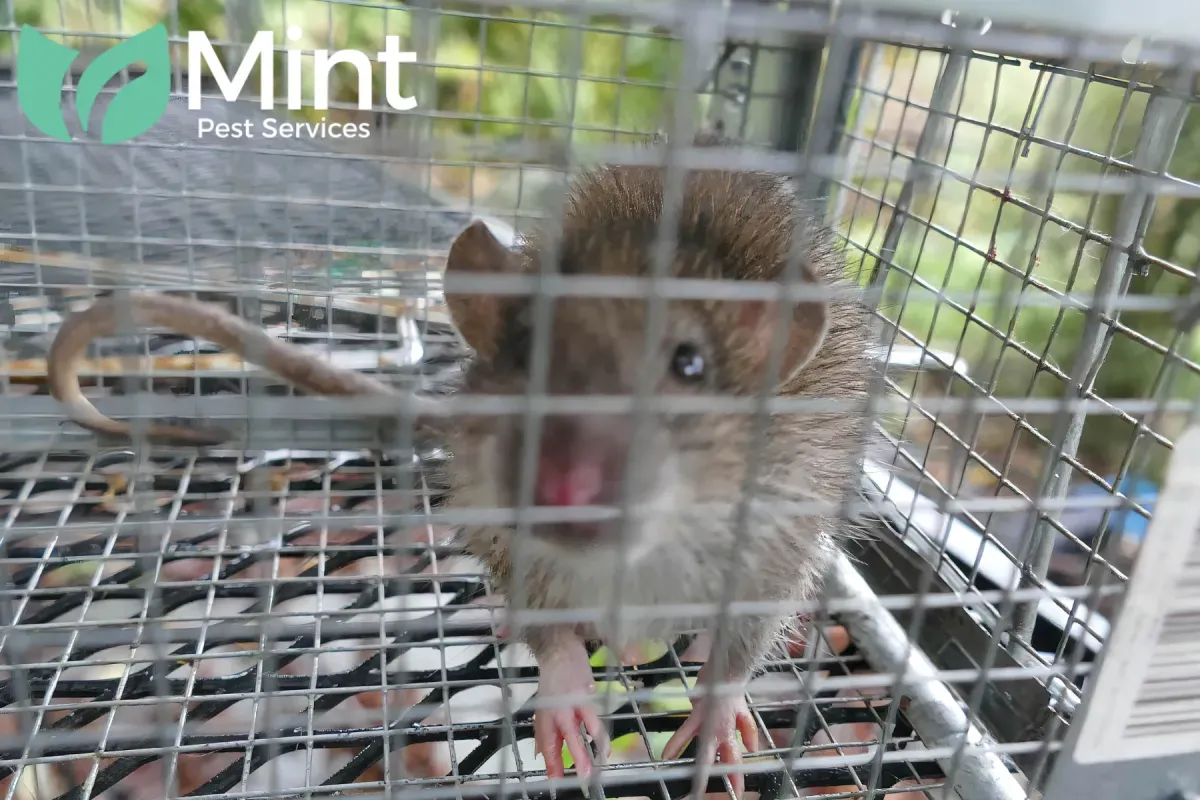

Professional rodent control can take several days to several weeks, depending on the infestation size, rodent type, available food sources, and number of entry points. Although activity may decrease after treatment begins, complete control often requires inspection, bait stations, traps, exclusion, and follow-up monitoring.
If you hear scratching in the attic, find droppings in the kitchen, or notice gnaw marks around your property, you probably want to know how soon the problem can be resolved. The timeline depends on where rodents are hiding, what attracts them, and how easily technicians can access the affected areas.
What Is the Typical Timeline for Professional Rodent Control?
There is no fixed timeline for every infestation. A small problem with a few known entry points may be easier to address than a larger infestation involving multiple rooms, hidden nesting areas, or several access points.
Professional rodent control generally involves several stages. Each stage helps technicians identify the problem’s extent, choose suitable methods, and evaluate treatment progress.
Initial Inspection and Assessment
The first step is identifying where rodents are active and how they may be entering the property. Technicians may inspect attics, basements, kitchens, foundations, storage areas, and other places where rodents can hide.
They look for signs such as:
- Droppings near food storage areas or along walls.
- Gnaw marks on wood, wiring, packaging, and other materials.
- Nesting materials in secluded spaces.
- Scratching or movement sounds inside walls and ceilings.
- Gaps around doors, pipes, vents, and foundations.
The inspection helps determine the likely rodent species, the extent of activity, and which treatment methods may be appropriate.
Initial Treatment and Activity Reduction
After the inspection, technicians recommend a treatment plan based on their findings. Depending on the situation, this may include strategically placed bait stations, traps, and other suitable control methods.
Some homeowners may notice fewer rodent sightings as treatment progresses. However, reduced activity does not necessarily mean every rodent has been removed. Rodents can remain in hidden areas, making continued monitoring important.
Monitoring and Follow-Up
Monitoring allows technicians to evaluate whether the selected methods are working. They may check bait levels, inspect traps, look for fresh droppings, and assess whether rodents are still using certain travel routes.
If activity continues, the technician may adjust station placement or recommend additional steps. Follow-up visits help identify what is working and where the treatment plan may need to change.
Exclusion and Long-Term Prevention
Removing existing rodents is only part of the process. Professionals also need to identify and address openings that allow new rodents to enter.
Exclusion methods may include sealing gaps, repairing damaged areas, and securing openings around utility lines, doors, and foundations. These measures help reduce the chance of another infestation developing.
What Factors Affect How Long It Takes to Eliminate a Rodent Infestation?
Several conditions can affect how quickly a rodent problem responds to treatment. These factors also help explain why two properties may need different treatment timelines.
- Size of the infestation: A few rodents may require less work than a large, established population with several nesting areas.
- Rodent species: Rats and mice have different behaviors and may use different parts of a property, affecting inspection and treatment decisions.
- Number of entry points: Multiple gaps can allow new rodents to enter while treatment is underway.
- Food and shelter availability: Accessible food, clutter, and undisturbed storage areas can provide places for rodents to feed and nest.
- Property layout: Attics, crawl spaces, wall voids, and other hard-to-reach areas can make inspection and monitoring more difficult.
- Treatment methods: Traps, bait stations, and exclusion serve different purposes and may require different monitoring schedules.
- Follow-up and maintenance: Regular checks help identify continued activity and determine whether adjustments are needed.
For property owners looking for pest control in Monahans, TX, these factors are worth considering before expecting an infestation to disappear after one visit. A professional inspection helps identify the conditions affecting the treatment timeline.
How Long Do Different Rodent Control Methods Take to Work?
Different methods address different parts of a rodent problem. Some target rodents already inside the property, while others help prevent new ones from entering.
| Treatment Method | Main Purpose | What Affects the Timeline |
| Trapping | Capture rodents inside the property | Rodent behavior, trap placement, and population size |
| Exterior bait boxes | Target rodents that travel or feed around the property | Placement, bait activity, and monitoring |
| Exclusion | Block openings rodents use to enter | Number, size, and location of entry points |
| Monitoring | Track activity and treatment progress | Inspection frequency and signs of continued activity |
| Customized treatment plan | Combine suitable methods | Infestation severity and property conditions |
Why One Treatment Method May Not Be Enough
Traps can capture rodents inside a property, but they do not automatically close the openings those rodents used to enter. Similarly, exterior bait boxes can help address activity around a property, but they do not repair structural gaps.
Exclusion serves a different purpose. Sealing entry points helps prevent access, but it does not automatically remove rodents already hiding inside.
Combining appropriate methods allows technicians to address existing activity and reduce the risk of future entry. The right combination depends on the inspection findings.
What Happens During the First 15–30 Days of Rodent Control?
At Mint Pest Services, monitoring exterior bait boxes is an important part of the rodent management process. During the first 15–30 days, our technicians check bait levels, assess activity, and determine whether station placement is effective.
Here is what homeowners can expect during this monitoring period.
Initial Inspection and Bait Station Placement
We begin by inspecting the property for signs of rodent activity, possible entry points, and areas where rodents may travel or feed.
Based on our findings, we strategically place exterior bait boxes in suitable locations. Depending on the property’s needs, the personalized treatment plan may also include traps and exclusion recommendations.
Checking Bait Stations and Rodent Activity
During the monitoring period, technicians check bait levels and look for signs of continued activity. These observations help determine whether rodents are using the stations and whether their placement is suitable.
Rodent behavior can vary from one property to another. A station may need to be moved or adjusted based on what technicians find during follow-up visits.
Adjusting the Treatment Plan
If activity continues, we reassess the property’s conditions and make appropriate adjustments. This may involve changing bait station placement, reviewing possible entry points, or recommending additional control measures.
The 15–30-day period is a monitoring stage, not a guarantee that every infestation will be eliminated within that timeframe. The overall timeline depends on the property’s conditions and the level of rodent activity.
How Can Homeowners Tell Whether Rodent Control Is Working?
You may not notice an immediate change after the first treatment. Instead, look for a gradual reduction in signs of activity and pay attention to what technicians find during follow-up visits.
Signs of Reduced Rodent Activity
- Fewer live rodent sightings.
- Less scratching or movement inside walls, ceilings, or attics.
- Fewer new droppings in previously affected areas.
- No new signs of gnawing or nesting.
- Reduced activity around monitored bait stations.
Signs That Additional Treatment May Be Needed
- Fresh droppings continue appearing.
- New gnaw marks or nesting materials are found.
- Rodents are still regularly seen inside the property.
- Bait consumption remains active.
- New entry points or signs of outside activity are discovered.
Useful terms to understand:
- Active rodent signs: Fresh evidence such as recent droppings, gnaw marks, or repeated sightings.
- Reduced activity: Fewer signs of rodent presence compared with the initial inspection.
- Exclusion: Repairs or barriers used to block rodent entry points.
- Monitoring: Regular checks to evaluate treatment effectiveness and identify continued activity.
If you notice new signs between visits, let your technician know. This information can help determine whether the treatment plan needs adjustment.
How Mint Pest Services Approaches Rodent Control
Mint Pest Services takes a property-specific approach rather than relying on the same treatment for every infestation. With over five years of experience serving the Permian Basin, our team focuses on identifying rodent activity, locating potential access points, and recommending suitable treatment methods.
Our approach may combine detailed inspections, strategically placed exterior bait boxes, bait station monitoring, traps, and exclusion methods when appropriate.
Detailed Inspections and Personalized Treatment Plans
We inspect areas such as attics, basements, kitchens, and foundations to identify where rodents may be entering, hiding, or moving around.
After the inspection, we recommend a personalized treatment plan based on the property’s conditions. This may include bait stations, traps, and exclusion methods to address existing activity and possible entry points. Our recommendations are based on what we find, not unnecessary add-on services.
Strategically Placed Exterior Bait Boxes
Exterior bait boxes are placed in areas where rats are likely to travel or feed. Their placement depends on the property’s layout and signs of rodent activity.
These stations help address rodent activity around the outside of the property. Our exterminator in Monahans, TX monitors them by checking bait levels and assessing whether placement adjustments are needed.
Bait Stations, Traps, and Exclusion Methods
Each method has a different role in managing rodents:
- Bait stations: Help target rodents that travel or feed in selected areas.
- Traps: Help capture rodents in suitable locations inside or around a property.
- Exclusion methods: Help block gaps and openings that rodents may use to enter.
Using appropriate methods together can address more aspects of an infestation than relying on a single option. The specific combination depends on the inspection findings and the property’s needs.
Ongoing Monitoring and Bimonthly Maintenance
Mint Pest Services offers a bimonthly service program with visits every two months. During these visits, our team inspects the property, replenishes bait stations when needed, assesses effectiveness, and adjusts placement or service recommendations based on activity.
We also stand behind our Quick Response Guarantee and provide follow-up support when customers have concerns. As a locally owned Texas company, we value prompt service, clear communication, and honest recommendations.
Homeowners searching for Monahans pest control can contact our team for an inspection and recommendations based on their property’s specific rodent concerns.
Common Rodent Control Myth: One Treatment Visit Eliminates Every Infestation
Myth: Once rodents stop appearing, the infestation is completely gone.
Fact: Fewer sightings do not always mean every rodent has been removed or that the property is protected against new entry.
Rodents can hide in attics, wall spaces, and other areas that are difficult to inspect. New rodents may also enter through gaps that have not been sealed.
Monitoring, follow-up inspections, and exclusion help technicians determine whether activity has decreased and whether the property still has conditions that could lead to another problem.
What Can Homeowners Do to Help Rodent Control Work More Effectively?
Professional treatment works alongside good property maintenance. Homeowners can reduce the food sources, shelter, and access points that may attract rodents.
- Store food properly: Keep pantry items and pet food in sealed containers.
- Secure trash: Use bins with tightly fitting lids and clean up spilled food.
- Reduce clutter: Clear unnecessary boxes, paper, and storage materials that can provide nesting areas.
- Address entry points: Follow professional recommendations for sealing gaps and openings.
- Maintain outdoor areas: Remove debris and keep areas around the foundation clear.
- Follow technician instructions: Avoid moving bait stations or traps without guidance.
- Report new activity: Tell your technician about fresh droppings, scratching sounds, or sightings.
- Keep scheduled appointments: Follow-up visits allow technicians to monitor progress and make adjustments.
These steps do not replace professional treatment, but they can help make a property less attractive to rodents.
People Also Ask About Professional Rodent Control
How long does it take for professional rodent control to work?
Some homeowners may notice reduced activity within the first several days, but the overall timeline depends on the infestation size, entry points, and treatment methods. Monitoring and follow-up may be necessary.
How long does it take to get rid of mice in a house?
The time required depends on the number of mice, available food, nesting locations, and access points. A professional inspection and ongoing monitoring help determine whether the treatment is working.
How long does it take to get rid of rats?
Rat control may require several stages, including inspection, targeted treatment, monitoring, and exclusion. The timeline depends on the size of the population and the conditions around the property.
Why am I still seeing rodents after treatment?
Rodents may remain in hidden areas, or new rodents may be entering through openings that have not been sealed. Continued sightings should be reported so technicians can reassess the treatment plan.
How often should rodent bait stations be checked?
The schedule depends on the treatment plan and level of activity. Mint Pest Services monitors bait stations during the first 15–30 days and offers ongoing service visits as part of its maintenance approach.
Does sealing entry points eliminate rodents already inside?
No. Exclusion helps prevent rodents from entering through identified openings, but it does not automatically remove rodents already inside. Existing activity must be addressed separately.
Get a Personalized Rodent Control Plan for Your Property
Getting rid of rodents takes more than placing a few traps or bait stations. A complete approach involves identifying where rodents are active, finding how they enter, and monitoring the results of treatment.
Mint Pest Services provides professional inspections and customized treatment plans to address rodent activity. Depending on your property’s needs, our team may use strategically placed exterior bait boxes, traps, and exclusion methods to help control existing activity and prevent future entry.
We believe pest control should be affordable, straightforward, and dependable. Call us today to request a free estimate and discuss a treatment plan for your home or business.