


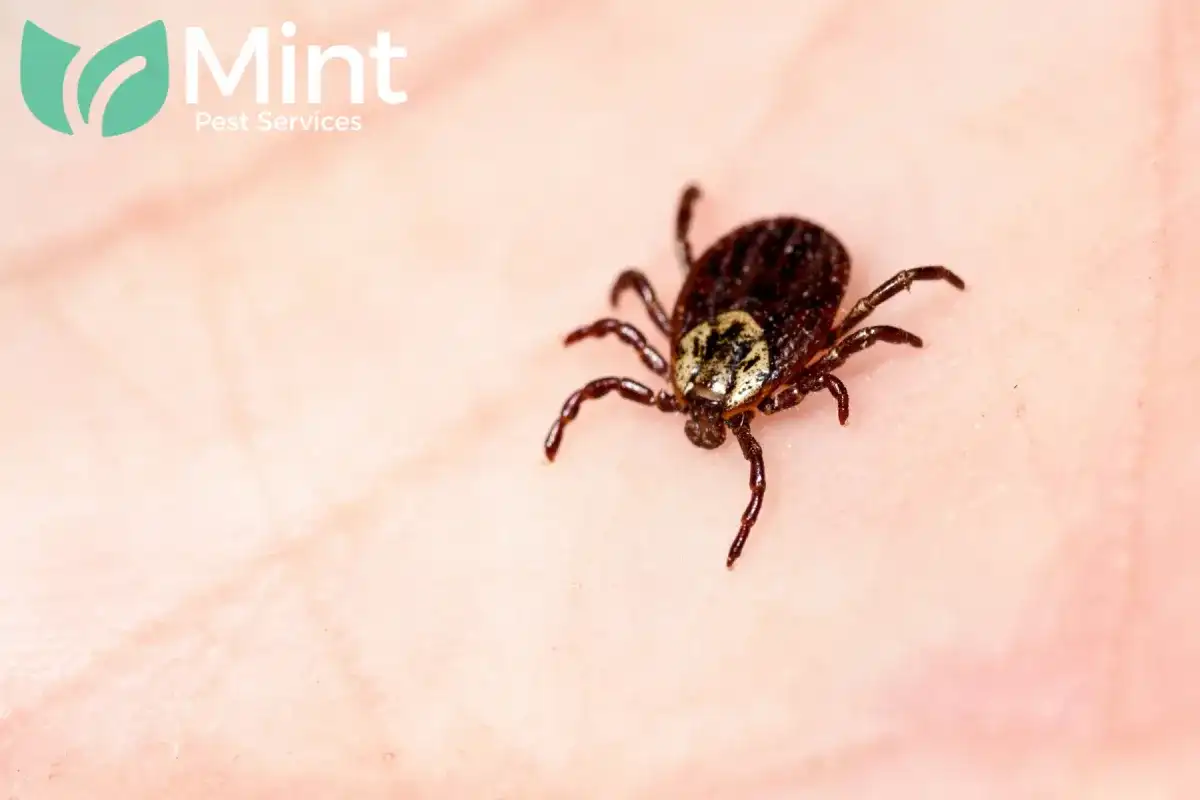
A tick’s questing behavior helps it find a host by positioning the tick on tall grass or leaf tips, where it extends its front legs into the air. Utilizing sensory organs on its front feet, the tick detects carbon dioxide, heat, and vibrations, allowing it to hook onto passing animals or humans instantly upon physical contact.
Walking through tall grass or shaded garden paths often brings you close to one of nature’s most patient hitchhikers: the tick. Unlike mosquitoes that fly or fleas that jump, ticks cannot fly, leap, or drop from high tree branches. Instead, they rely entirely on a clever host-seeking strategy called questing to find their next blood meal.
Understanding how questing works removes much of the mystery surrounding how these tiny pests end up on your pets, clothes, or skin. By climbing onto tall vegetation and extending their legs outward into open air, ticks wait silently for a passing host to brush directly against them.
Knowing how ticks seek out hosts is the first step toward keeping your yard safe, comfortable, and pest-free. Here is a clear guide to the mechanics behind tick questing, common myths about how ticks move, and how professional yard management protects your family.
Questing Ticks vs. Ambush Hunters: Host Detection & Attack Strategies
Comparing hard ticks that hunt on open grass stems to soft ticks that hide in underground burrows highlights why yard maintenance plays such a vital role in pest safety.
During a recent property evaluation for a home, our team walked the shaded perimeter fence where tall grass met a wooden patio. The homeowner mentioned finding ticks on their dog after short yard breaks. Upon closer inspection, we found active ticks perched at ankle height on grass blades right along the pet run, waiting for passing animals. Situations like this highlight why professional pest control in Greenwood, TX is essential for identifying hidden tick activity and helping protect both pets and families from ongoing infestations.
Here is how questing hard ticks compare to burrow-dwelling ambush ticks:
| Behavioral Factor | Hard Ticks (Ixodidae) – Questing Hunters | Soft Ticks (Argasidae) – Nest/Burrow Ambushers |
| Primary Host-Seeking Strategy | Climbs vegetation and extends front legs in open air | Hides inside animal burrows, caves, or bird nests |
| Sensory Detection Method | Detects distant CO₂, body heat, and shadows using Haller’s organ | Senses local host vibrations and carbon dioxide in enclosed spaces |
| Feeding Duration & Contact | Remains attached for days to weeks while feeding continuously | Feeds rapidly in 15 to 30 minutes, then drops back into hiding |
| Environmental Dependence | Requires high humidity to prevent drying out while perched on plants | Protected from sun and wind within underground or indoor harborage |
| Target Host Mobility | Targets passing mammals, deer, birds, pets, and humans | Targets resting burrowing mammals, roosting birds, or bats |
The 5 Biological Steps of Tick Questing and Host Attachment
Ticks follow a precise biological routine to position themselves where hosts are most likely to pass by.
1. Vertical Migration to Optimum Height:
Ticks crawl up blades of grass, weeds, or fallen leaves to match the physical height of target animals. Smaller larvae target small rodents near ground level, while adult ticks climb higher up grass stems to reach passing pets, deer, or human legs.
2. Perched Posture and Leg Extension:
The tick anchors its rear legs firmly to a plant stem while extending its front legs wide into the air. This waiting posture increases the chances of catching onto passing fur, clothing, or skin.
3. Chemical and Thermal Perception Activation:
Using sensory organs on its front feet (Haller’s organ), the tick detects carbon dioxide exhaled by approaching mammals. It also senses radiant body heat, moisture changes, and sudden shadow shifts.
4. Latching On via Mechanical Hooks:
When a passing person or pet brushes against the plant, tiny clawed hooks on the tick’s front feet latch onto fabric or fur within milliseconds. Ticks rely entirely on direct contact to transfer to a host.
5. Post-Latch Crawling and Feeding Site Selection:
Once on a host, the tick crawls upward to find warm, protected areas with thin skin, such as behind ears, under arms, or along hair lines, where it anchors securely to feed.
Applying Our Operational Mechanics to Solve This
At Mint Pest Services, we believe protecting your home and family should feel personal, clear, and dependable. As a friendly local team serving West Texas, we combine science-backed solutions with neighborly care. We treat every property as if it were our own, offering tailored treatments and transparent recommendations so you only pay for what you truly need.
Here is how our four-step operational mechanics eliminate ticks and stop questing behavior in your yard:
- Inspecting the Entire Landscape Layout: Our technicians evaluate your property by inspecting the entire landscape layout, checking lawn borders, rock lines, and patio edges to map out active harborage zones.
- Measuring High-Risk Shaded Zones and Identifying Wildlife Pathway: We focus on measuring high-risk shaded zones and identifying wildlife pathway corridors where deer, raccoons, or neighborhood pets introduce hitchhiking ticks onto your lawn.
- Establish a Continuous Barrier: To prevent hitchhiking pests from reaching active living spaces, we establish a continuous barrier along tall grass edges, leaf litter, and brush lines.
- Utilizing Specialized Equipment & Inspecting Barrier Integrity: Our team applies green and safe pesticides by utilizing specialized equipment to treat deep foliage. During routine visits, we inspect barrier integrity to ensure your perimeter stays solid through changing weather.
While performing a routine evaluation for a family, our technician noticed a shaded brush line along the back property fence holding damp leaf clutter. By treating the foliage edges and setting up a clear boundary barrier, we stopped ticks from crawling onto the main lawn, keeping the family’s kids and dogs safe during outdoor play. This proactive approach is a key part of effective Greenwood pest control, helping reduce tick activity and create a safer outdoor environment for the whole family.
Debunking the Myth: “Ticks Drop Down onto Humans from the Canopy of High Trees”
A widespread myth among homeowners is that ticks wait high up in tree branches and drop down onto people or pets walking underneath.
Here is why ticks do not drop from trees:
- No Flight or Jumping Ability: Ticks do not have wings or jumping legs. They are physically incapable of leaping or gliding through the air.
- Height Limitations: Hard ticks climb only as high as their target hosts walk. Larvae and nymphs stay close to ground level (6 to 12 inches), while adult ticks climb to knee- or waist-height (18 to 36 inches) on tall grass or brush.
- Why It Feels Like They Fall: Ticks usually attach at shoe, ankle, or pant-leg level and naturally crawl upward toward warm, hidden spots like the neck, scalp, or behind ears. Finding a tick in your hair often gives the false impression that it fell from above.
Technical Specifications & Anatomical Glossary
Understanding key biological terms helps you recognize how ticks interact with their environment:
Haller’s Organ
A sensory cavity located on the front legs of hard ticks that detects carbon dioxide, humidity shifts, infrared heat, and movement.
Hypostome
A barbed, needle-like mouthpart that the tick inserts into host skin to anchor itself during feeding.
Desiccation Risk
A tick’s vulnerability to drying out in direct sunlight or low humidity, which forces questing ticks to return to damp soil to rehydrate periodically.
Harborage Perimeter
Shaded, high-moisture yard zones, such as tall grass, leaf piles, and brush lines, where ticks congregate to quest safely.
People Also Ask (FAQ)
Do ticks jump or fly onto people and pets?
No. Ticks cannot jump, fly, or drop from trees. They rely entirely on direct physical contact when a person or animal brushes against the plant where the tick is questing.
What time of year are ticks most active in West Texas?
Ticks are most active during spring, summer, and early fall when warm weather and humidity encourage questing. However, on mild winter days, ticks can also move in shaded yard areas.
How can I reduce tick questing areas around my yard?
Keep your lawn mowed short, trim back tall brush along fence lines, clear away fallen leaf piles, and create a gravel or woodchip buffer zone between wooded areas and your main lawn.
Protect Your Yard and Family with Dependable Care
Understanding tick questing behavior highlights why tall grass, leaf clutter, and shaded fence lines require proactive care. By targeting questing zones and establishing clear perimeter barriers, you can enjoy your yard with total confidence.
At Mint Pest Services, we are dedicated to providing fresh, fast, and friendly protection for West Texas homeowners. Our team takes pride in offering science-backed treatments, transparent pricing, and fast follow-up visits to ensure your home stays comfortable and pest-free year-round.
Whether you need targeted pest control in Greenwood or comprehensive routine protection, we are here to help with a personal touch. For a reliable solution, trust our experienced local owners to keep your property safe and protected.
Ready to reclaim your lawn and enjoy a tick-free outdoor space? Contact us today to schedule your free estimate and start your routine protection plan with Mint Pest Services!