


Earwigs invade homes and basements during hot or dry weather because they are moisture-dependent insects that risk drying out in harsh heat. When topsoil, leaf litter, and garden mulch dry up under intense summer temperatures, earwigs seek cool, humid environments to survive. Subterranean basements, damp crawl spaces, and dark foundation gaps provide the exact cool microclimates these pests need to stay alive.
Outdoor Natural Harborages vs. Indoor Migration Zones
Understanding how environmental shifts alter crawling pest behavior helps homeowners pinpoint why outdoor populations suddenly move inside.
| Parameter / Feature | Outdoor Natural Harborages | Indoor Migration Zones |
| Primary Environment | Damp leaf litter, garden mulch, compost, rotting wood | Subterranean basements, crawl spaces, utility gaps |
| Moisture Levels | Drops sharply during drought and extreme summer heat | High humidity from slab condensation and plumbing |
| Temperature Profile | Fluctuates heavily; prone to high surface heat | Cool, stabilized subterranean microclimates |
| Desiccation Risk | Severe during heatwaves or dry spells | Low; persistent humidity prevents moisture loss |
| Primary Food Sources | Decaying organic matter, plant tissue, micro-insects | Organic dust, cardboard adhesive, houseplant soil |
| Control Approach | Perimeter barrier applications & soil granule treatments | Void dusting, dehumidification, gap exclusion |
4-Step Process: How Crawling Pests Enter and Settle in Basements
- Soil Moisture Depletion Triggers Dispersal
As dry air bakes topsoil and garden mulch beds, moisture levels plummet. Driven by survival instincts, earwigs leave their outdoor harborage zones in search of damp soil or cool air currents. - Foundation Gap Exploitation
Insects follow cool air drafts escaping from the home. They crawl along foundation walls, sliding into micro-cracks, basement window frames, door thresholds, weep holes, and unsealed pipe penetrations. - Attachment to Damp Indoor Areas
Once inside, pests gather in dark areas with high humidity. Sump pump pits, laundry room corners, concrete expansion joints, and damp storage boxes offer ideal shelter. - Aggregation Signal Release
Many crawling pests emit aggregation scents that alert nearby insects to a safe moisture source. This communication causes small groups to turn into noticeable clusters inside basements.
Applying Our Perimeter Shield Protocol to Solve This
When dry heat forces crawling pests indoors, simply placing traps inside is a temporary patch. At Mint Pest Services, we use a comprehensive system designed to secure your home from the outside in:
- Inspecting the Entire Exterior: We begin by inspecting the entire exterior, foundation, crawlspace entry points, mulch zones, and drainage pathways to map out active moisture traps and structural entry gaps.
- Targeted Environmental Barriers: Technicians determine the precise chemical and biological barriers required to create a continuous, protective ring around the unique perimeter of your home.
- Eco-Friendly Baits and Micro-Dust Formulations: We apply specialized, eco-friendly baits and micro-dust formulations into deep crevices, weep holes, and voids where earwigs instinctively congregate.
- Routine Maintenance Audits: During routine service visits, our team will inspect barrier integrity, clear debris, and replenish protective materials so your home stays defended across every season.
Common Misconception: Crawling Pests Enter Ears to Burrow into Brains
The Myth: Earwigs are notorious for crawling into ears while people sleep, biting through the eardrum, and laying eggs in the brain.
The Reality: This story is an old myth with zero scientific basis. These insects do not seek out human ears, nor do they feed on human tissue. Their rear pincers are used strictly for defense against other insects and for handling food. They enter homes simply because they are lost, thirsty, and searching for dark, damp shelter.
Key Specifications of Insect Behavior and Physiology
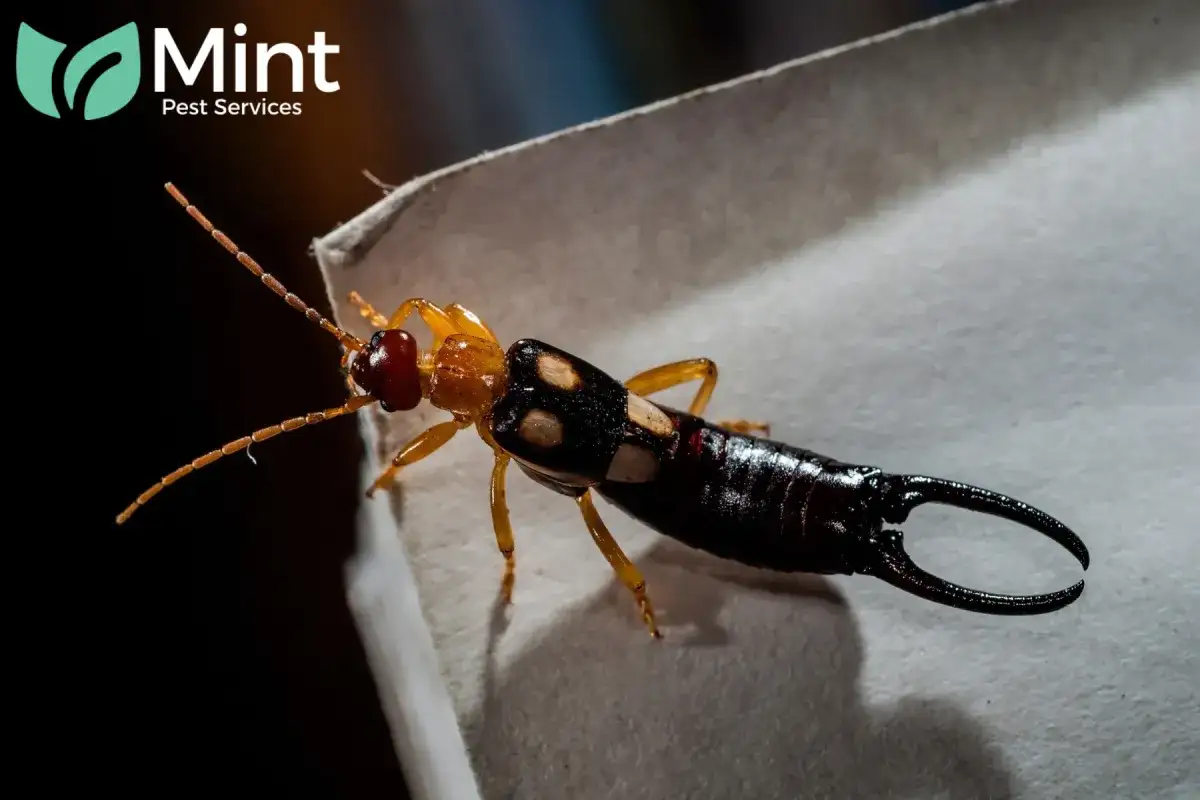
Abdominal Pincers (Cerci): Rear forceps used for defense and courtship. Males feature curved pincers, while females have straight pincers.
Hydrotaxis (Moisture Seeking): An automatic physical response that drives insects toward damp soil, condensation, and high humidity.
Thigmotaxis (Tight-Gap Harboring): A behavioral trait where pests prefer squeezing into tight spaces where their backs and bellies touch surrounding surfaces simultaneously.
Desiccation Vulnerability: A biological trait where insects lose body water rapidly in dry conditions, forcing them to find humid environments or perish.
Why Property Owners Need Dependable Protection
Dealing with sudden pest invasions during dry spells can be frustrating. Many homeowners try store-bought traps, only to find pests returning a few days later because the root causes, foundation gaps and outdoor breeding zones- were left unaddressed.
During a recent home assessment near the Country Club area in Odessa, our technician noticed heavy mulch beds resting directly against the foundation wall. The dry top layer forced hundreds of earwigs into small gaps along the basement window frames. By applying treatment along the exterior wall, sealing the frame gaps, and thinning the mulch back a few inches, we stopped the infestation completely.
Effective pest control in Odessa requires a proactive approach tailored to West Texas weather patterns. When summer heat dries out the soil, routine maintenance keeps perimeter barriers active so pests cannot cross into your living space.
If you are dealing with persistent indoor pests, relying on professional pest control in Odessa, TX ensures every entry point and moisture trap is properly handled. Our team delivers targeted treatment applications that keep your property clean, comfortable, and pest-free throughout the hottest months of the year.
Partnering with an experienced team for Odessa pest control takes the guesswork out of home protection. Instead of constantly reacting to new bugs in the basement, preventive care keeps your home secured year-round.
People Also Ask
Why do I suddenly see earwigs in my basement during dry weather?
When hot weather dries out garden beds and topsoil, earwigs migrate toward moisture. They follow cool air currents along foundation walls and enter basements through window gaps, door sweeps, and wall cracks.
Do earwigs cause structural damage to homes or eat wood?
No. They do not eat wood, bore into drywall, or damage structural timbers. They feed on decaying plants, soft organic material, and smaller garden bugs.
How do I prevent crawling pests from entering my basement?
You can reduce indoor entry by running a dehumidifier to lower basement humidity, sealing cracks along foundation walls, clearing dead leaves away from the home, and scheduling routine perimeter treatments.
Are green and safe pesticides effective for controlling earwigs?
Yes. Modern green and safe pesticides provide excellent control when applied by trained professionals who understand pest harborage habits and entry points.
Protect Your Home with Mint Pest Services
At Mint Pest Services, we believe pest management should be personal, affordable, and environmentally responsible. Your home is your sanctuary, and you deserve to enjoy every room without worrying about crawling pests in the basement. As a locally owned West Texas business, our friendly team combines science-backed methods with neighborly care to give you complete peace of mind.
Whether you need targeted relief during a summer heatwave or complete year-round protection, we are here to help with honest recommendations, transparent pricing, and fast response times. If pests return between our scheduled visits, so do we, at no extra cost to you.
Ready to secure your home? Contact us today to schedule your free estimate!